Table of contents
- The 2025 Freight Slump: Why It’s Hard to Find Good Loads
- Load Board Optimization: Finding Profitable Loads in a Soft Market
- Dispatch Strategy: Smart Tactics to Maximize Every Mile
- Beyond Booking Loads: How Dispatch Services Add Value (Safety, Compliance & Flexibility)
- Key Owner-Operator Trucking Tips to Stay Profitable
- Frequently Asked Questions
Picture this: It’s a Wednesday afternoon and you’ve just delivered a load. You pull up your favorite load board, hoping to find a decent next haul – but all you see are cheap offers paying barely enough to cover fuel. Sound familiar? Welcome to the slow freight market of 2025. Freight volumes have slumped (national truck tonnage is down about 7% year-over-year) and spot load postings have dropped by 15% compared to last year. In this climate, small carriers are feeling the squeeze – bankruptcies among owner-operators have jumped roughly 30%. It’s a tough scene: too many trucks chasing too few loads, and rates are scraping the bottom. But not all hope is lost. The right combination of load board optimization, smart dispatch strategy, and creative thinking can keep you profitable even when freight is slow. In this guide, we’ll share actionable owner operator trucking tips and dispatch insights to help you survive and thrive in a soft market. From avoiding high-risk trucking regions to squeezing every dollar out of each run, we’ve got you covered. Let’s dive in and get those wheels turning profitably again!
The 2025 Freight Slump: Why It’s Hard to Find Good Loads
Before jumping into load board optimization tactics, it helps to understand why the load board looks so bleak lately. The freight downturn (some call it the “freight recession”) has been brewing for a few years and really hit full force by 2025. Here are the big factors behind the slow freight market:
- Excess Capacity: In the boom times of 2021, carriers bought new trucks and expanded fleets. Now there are too many trucks and not enough loads to go around. With excess capacity on the road, shippers can offer rock-bottom rates knowing desperate trucks will bite. This oversupply of trucks forces fierce competition on every lane – a race to the bottom on pricing. It’s why load board optimization and choosing loads carefully is more critical than ever.
- Weak Demand & Economic Cool-Down: High interest rates and inflation have cooled the economy. Consumers are buying fewer goods (especially big items like appliances or furniture), which means fewer loads moving. Sectors like retail, housing, and manufacturing are all sluggish. Even e-commerce growth has leveled off. When demand drops, so do freight volumes – so the spot market is flooded with trucks chasing limited freight.
- Shippers Hold the Cards: With lots of available trucks, shippers have the upper hand and can push freight rates down. Many contract rates got renegotiated lower this year, and spot market rates are at their lowest since 2019. Brokers know they can post cheap loads on boards and still find a carrier willing to haul. It’s an unfortunate reality: reliable small carriers who run legally and safely are being undercut by those willing to haul for peanuts(see more). This broken market dynamic punishes the carriers who try to “do things right.”
- Operating Costs Still High: While rates fell, costs like fuel, equipment, and insurance didn’t drop in tandem. If you’re an owner-operator, you know maintenance, insurance, and fuel bills are as high as ever. Thin (or negative) margins are forcing tough choices. Every dollar counts, so both cost control and revenue optimization are vital parts of your dispatch strategy in a slow freight market.
The bottom line? It’s a dog-eat-dog market. But you can navigate it. The carriers who survive are adapting fast – cutting costs, diversifying freight, and saying “no” to loads that don’t make sense. As one industry expert put it, hauling freight at a loss doesn’t keep you in business, it just delays bankruptcyf. So let’s look at how you can find profitable loads and not fall into the cheap freight trap.
Load Board Optimization: Finding Profitable Loads in a Soft Market
When freight is abundant, you can afford to be picky or even a bit casual in how you use load boards. In a slow market, load board optimization becomes a critical skill. It’s all about using the boards smarter than the next guy. Here are concrete strategies to optimize load boards and snag the best loads before someone else does:
- Use Multiple Load Boards: Don’t rely on a single source. The top carriers and dispatchers use all the tools at their disposal– DAT, Truckstop, broker portals, etc.. Each board may have unique listings, so casting a wider net increases your chances of finding a good load. Big boards like DAT One and Truckstop have hundreds of thousands of postings daily. If one board looks dry, another might have something. This kind of load board optimization ensures you’re not missing out on freight. Many truck dispatch service teams subscribe to multiple boards on your behalf, so a dispatch service can greatly expand your reach.
- Set Up Alerts and Filters: Time is money when good loads vanish within minutes. Use load board features like alerts (email or push notifications) for your preferred lanes, and filter searches by rate, mileage, and weight. For example, you can filter out loads paying under a certain $$ per mile to avoid wasting time on low-ball offers. On DAT, savvy dispatchers even use the TriHaul tool (which suggests triangular routes) as part of their dispatch strategy to find two-load combos that beat a direct one-way haul. Good load board optimization means the best loads come to you – you’ll get a ping the moment a high-paying load is posted, so you can call immediately. Speed matters in a slow market!
- Prioritize Quality Brokers and Shippers: In a tight market, not all loads are equal. An important part of load board optimization is vetting who you work with. Use the board’s broker credit scores and reviews to avoid problematic loads. A cheap load from a shady broker that doesn’t pay is worse than no load at all. Stick to brokers with solid reputations (many boards like DAT and Truckstop display broker credit info and days-to-pay). This minimizes your risk of payment issues when cash is already tight. Also, focus on loads from direct shippers or large brokerages that might be slightly higher-paying or more reliable. Even in a slow freight market, quality relationships matter – a good broker might call you first with a decent load before posting it publicly if you’ve built rapport.
- Negotiate, Negotiate, Negotiate: In better times, you might just accept a posted rate. In a slow market, every extra cent counts. Many brokers expect carriers to negotiate (and some intentionally post low, assuming you’ll counter). If a load barely meets your cost per mile, push back for more money. Use data to your advantage: for instance, if you know the average lane rate from Chicago to Dallas is $2.00/mi this week, don’t hesitate to counter a $1.60 offer with $1.90 and justify it. Show that you know the market. A confident, data-backed negotiation is part of any strong dispatch strategy. Good dispatchers do this all day long – negotiating better rates is a core skill of a dispatch service. In fact, experienced dispatchers often secure rates 15–20% above what many owner-operators would get on their own, thanks to constant negotiation and lane knowledge. Pro tip: if the load has some undesirable aspect (e.g. picks up in a remote area or delivers in a high-risk trucking region with weak outbound freight), use that as leverage to ask for a rate premium.
- Choose Loads Strategically (Not Just First Come, First Served): It’s tempting to grab the first “okay” load you see when freight is scarce. But load board optimization means evaluating the bigger picture. Ask yourself: Where does this load leave me for my next load? Sometimes a moderately paying load that takes you into a freight desert (like a remote area or a city notorious for no outbound freight) is not worth it once you factor the deadhead out. You might be better off taking a slightly lower-paying load that keeps you in a strong region or moving along a busy corridor. This is where dispatch strategy and load board use intersect – a good dispatcher will prioritize lanes that keep you in the green and avoid bait loads that send you into a black hole. In short, don’t just consider the load in isolation; consider the next load too. An optimized load board strategy always thinks one step ahead.
- Post Your Truck (and Be Visible): Many load boards allow carriers to post their truck availability. This can be a useful passive tactic. For example, you can post “53’ Dry Van available near Charlotte, NC on Oct 15, going to Midwest or Southeast” along with your contact. Some brokers scan these postings (especially if they have a last-minute load and don’t want to sift through calls). It’s not a magic bullet, but it can occasionally bring a decent offer directly to you. It also signals to brokers that you’re out there looking. In a slow market, every extra line in the water helps. Part of load board optimization is using all the board’s features – not just searching, but also posting and networking.
In practice, load board optimization comes down to working smarter, not harder. In a slow freight market, the highest-paying loads often disappear within seconds and the lowest-paying ones linger on the board. By being quick to respond, using data tools, and targeting the right opportunities, you can still find those “needle in a haystack” loads that keep you profitable. A professional truck dispatch service excels at this – they often have multiple people and software tools scouring load boards 24/7, which is hard for a single driver to match while on the road. It might be worth considering if you’re struggling to cover all the boards and negotiate while also driving safely.
Dispatch Strategy: Smart Tactics to Maximize Every Mile
Finding loads is only half the battle – what you do with them is the other half. This is where a clever dispatch strategy can make a mediocre week into a good one. Dispatch strategy means planning and executing your trips in a way that minimizes empty miles, reduces downtime, and squeezes the most revenue out of your hours. Here are some proven dispatch strategy tips (the kind of owner operator trucking tips that seasoned pros swear by) for a slow freight market:
- Avoid Deadhead into Dead Zones: In normal times, you might deadhead 200 miles on faith that a good load awaits. In a slow market, minimize deadhead miles like your business depends on it – because it does. A key dispatch strategy is planning backhauls and reloads in advance so you’re not running empty longer than necessary. For example, if you deliver in Denver (which can be a tough market for outbound loads), start looking for the next load before you even arrive. A skilled dispatcher will be actively searching for a reload as you’re finishing the current trip. If nothing decent is available in that region, you might decide to deadhead to a slightly better nearby market (say, deadhead 100 miles from Denver to Kansas) if that opens up more load options. The goal is to never be caught idle for long. Every empty mile or hour is lost money, so a proactive dispatch strategy seeks to fill gaps with paying freight whenever possible. As one dispatch expert said: “Every deadhead mile lost is profit left behind.”
- Combine and Conquer (Multi-Stop Loads & Partials): When full-truckload freight is slow, consider partials or LTL loads to boost earnings. This is a classic owner-operator trucking tip that really pays off in a slow market. Instead of hauling one load and then searching again, you (or your dispatcher) can plan a route that strings together multiple smaller loads. For instance, a single LTL load might only pay $1.20 per mile. But if you can book two or three partial loads that stack along a route, your combined revenue per mile can double. Real-world example: A dispatcher might book a partial from Atlanta to Charlotte and another from Charlotte to DC, all in one trip. By the end, the truck has, say, 3 pickups and 2 deliveries lined up in a sequence. It’s more planning work, but the total earnings might work out to $2.40 per mile instead of $1.20. One Dispatch Republic driver’s week of carefully planned multi-stop routes grossed over $8,000 – far above what single point-to-point runs would have paid. This dispatch strategy of combining partials and multi-stop loads can be a game-changer in a slow freight market. It’s true load board optimization in practice: you’re optimizing your entire week’s schedule, not just one load at a time. Of course, multi-stop runs require communication and good scheduling (and you must be mindful of Hours of Service so you don’t violate any rules when adding stops). But many dispatch services specialize in this, especially for equipment types like box trucks or flatbeds where partials are common. Even for dry vans, consider taking on a “partial mindset” if one big load isn’t available – maybe you can carry two smaller loads for different customers on the same trailer, if they’re compatible. It means more calls and coordination, but it boosts your total revenue significantly.
- Target Better Regions (and Avoid High-Risk Trucking Regions): Not all states or cities are equal when freight is slow. A savvy dispatch strategy involves choosing your battles – targeting lanes that pay well and regions where loads are more plentiful, while avoiding high-risk trucking regions that can sink your profits. High-risk regions, in this context, are places that either have low outbound freight (so you risk getting stuck or taking a cheap load out) or have known issues like heavy congestion, extreme weather, or high cargo theft that could disrupt your trip. For example, Florida is infamous as a high-risk trucking region for outbound loads, especially if it’s not produce season – you might get a great rate going in, but then find nothing but $0.90/mi loads (or 500-mile deadheads) coming out. Similarly, the Pacific Northwest or parts of the Northeast can be challenging freight markets at certain times. A good dispatch strategy will price in that risk or avoid it altogether. That might mean saying no to a pretty-looking $3.00/mi load into a dead zone if it means you’ll burn days getting out. Instead, you might take a $2.30/mi load into a busy area like Texas or Georgia where you can reload quickly at a decent rate. Dispatchers actively analyze trends – for instance, in late 2025, Texas and the Southeast were doing better (more freight, infrastructure projects, port activity) while the Midwest and Northeast were slower. Armed with such info, you or your dispatcher can steer toward the freight. Avoiding high-risk trucking regions isn’t just about freight volumes either; it’s also about safety and regulations. Some states (like California) can be considered “high-risk” for trucking due to strict regulations, CARB rules, higher chance of inspections, etc. If you run there, ensure your compliance is airtight and factor in extra costs. Other areas might pose safety risks – e.g. parking in certain high-crime metro areas. In those cases, part of your dispatch strategy might be planning to stop outside the city at a secure truck stop and deliver in the morning, rather than parking overnight in an unsafe zone. All in all, know your map. If you’re not sure which areas are hot or cold, a truck dispatch service can provide guidance, since they monitor national freight patterns daily.
- Be Flexible with Hauls and Schedules: In a slow freight market, the more available and flexible you are, the more load opportunities you can accept. Flexibility is a core owner operator trucking tip that often gets overlooked. This can mean running at night or on weekends if needed, or being open to different types of freight. For example, maybe you usually run strictly Monday–Friday, 9-to-5. But in a down market, a lot of freight moves odd hours or requires overnight runs (since shippers are squeezing schedules). If you can adjust and drive a night shift or deliver on a Saturday, you might grab loads that others pass up. One strategy some owner-ops use is to treat one week per month as a “max hours” week – take every reasonable load and run hard (legally, of course) to bank as much as possible, then have a lighter week after. Also, consider expanding the types of loads you haul: if you normally avoid certain freight (hazmat, tanker, etc.), maybe invest in an endorsement or training to handle them. Hauling specialized or niche freight can open up a less crowded corner of the market. For instance, adding a tanker endorsement or a TWIC card (for port access) could let you haul fuel or port containers that other dry van folks can’t, giving you an edge. Similarly, if you have a refrigerated trailer (reefer), you can tap into food and medical loads which tend to remain steadier even in slow markets (people still need groceries and meds!). The more versatile your operation, the better your dispatch strategy can adapt to find revenue.
- Plan Around HOS and Maintenance: Nothing is worse than having to turn down a good load because you’re out of driving hours or your truck is in the shop. In a slow market, every opportunity is precious. Make sure your dispatch strategy includes smart HOS (Hours of Service) management and maintenance planning. For HOS, try to align your resets and breaks so that you’re available when the freight is busiest. For example, if you notice most loads in your lane get picked on Mondays, don’t start a 34-hour reset on Monday morning! Instead, aim to reset on a weekend so you’re fresh for Monday. Communicate with your dispatcher about your hours – a good dispatcher can schedule loads that fit your 70-hour clock and even help remind you when you’re coming up on a break. For maintenance, do the preventive stuff during the slow days. If freight is generally slower on Tuesdays, that might be a good day for that oil change or tire rotation, rather than doing it Friday when a hot load might pop up. Some owner-operators intentionally schedule maintenance in historically slow months (e.g., January) as part of their dispatch strategy, to minimize lost opportunities. Keeping your rig well-maintained also prevents breakdowns which can completely derail a week’s profits. As the saying goes, “a breakdown kills revenue” – so don’t skimp on truck care, especially when margins are thin.
In essence, dispatch strategy is about playing chess, not checkers. You’re looking ahead, anticipating issues, and making moves that keep your truck loaded and productive as much as possible. The best dispatchers treat each truck like a mini-business, constantly asking: How can we maximize this asset’s earning potential today, this week, this month? They plan, execute, and adjust on the fly. If you’re dispatching yourself, start thinking like a dispatcher: every decision (taking a load, routing, timing, etc.) should be aimed at improving your revenue or efficiency. This strategic mindset can really set you apart in a slow freight market, where the margin between profit and loss is razor-thin.
Beyond Booking Loads: How Dispatch Services Add Value (Safety, Compliance & Flexibility)
When people think of dispatchers, they often think “load finders.” Yes, finding loads is the core function of a dispatcher – but a great dispatch service does a whole lot more, especially in a challenging market. In fact, when freight is slow and unpredictable, having a dispatch team in your corner can be a lifesaver in ways you might not expect. Let’s explore the value-added services a quality dispatcher or truck dispatch service provides beyond just filling your load board, and how these things help you stay profitable and sane.
- Constant Load Monitoring & Re-Booking: In a volatile market, loads can cancel or plans can change in a heartbeat. Maybe a broker double-booked a truck, or the shipper canceled the order last minute. If you’re on your own, a canceled load might mean half a day scrambling for a replacement. A dispatch service, however, will often know about the cancellation before you even finish your last delivery (brokers notify dispatchers quickly) and can immediately start re-booking a new load. This quick reaction can save your day or week. Dispatchers can also juggle multiple options – for instance, they might book a backup load in case your primary one falls through. That way, you’re never sitting empty for long. In a slow freight market, having someone constantly working to keep you moving (even when plans go wrong) is extremely valuable. Think of a dispatcher as an air-traffic controller for your business: if one lane closes, they’ll route you to another without delay.
- Route Planning and Adjustments: A good dispatcher isn’t just plopping you on any load; they’re planning routes thoughtfully. If there’s a big storm coming or a known traffic snarl (e.g. major road construction or an accident closing an interstate), your dispatcher can route you around it. They stay on top of weather alerts, road conditions, and news that could affect your trip. For example, if you’re headed into the Rockies and a blizzard is forecast, a proactive dispatcher might advise holding off or taking a more southern route – whatever keeps you safe and on schedule. They’ll also help adjust your dispatch strategy mid-trip if needed. Let’s say you deliver and your next load’s pickup is delayed by a day; a dispatcher might find a short local run to fill that gap or direct you to an area with truck parking and amenities to wait it out comfortably. This kind of on-the-fly flexibility is hard to manage solo when you’re busy driving and resting. The dispatcher essentially acts as your eyes and ears in the office, making real-time adjustments to keep your wheels turning efficiently.
- Handling Communications and Paperwork: One of the hidden drains on an owner-operator’s time is all the phone calls and paperwork that surround each load. Booking a load involves back-and-forth calls or emails with brokers, signing rate confirmations, setting up carrier packets for new brokers, sending insurance certs, checking in for pickups and deliveries, you name it. In a slow market, this administrative load doesn’t ease up – in fact, it can get worse if you’re doing more short loads or working with unfamiliar brokers. A dispatch service takes this burden off you. They’ll do the broker phone tag and email dance while you focus on driving. Need to check in for a 2 AM pickup? The dispatcher can handle that call or at least remind you and follow up. Lumper fee reimbursement form? They’ve got it covered. When a delay happens at a receiver, the dispatcher communicates with the broker or shipper to inform them and negotiate detention pay if applicable. Essentially, your dispatcher is your back-office support. They fill out any necessary docs, scan and send BOLs, handle invoicing or billing paperwork if that’s part of the service, and make sure nothing falls through the cracks. This administrative support is not just a convenience – it’s money in your pocket. Time you’re not spending faxing paperwork or sitting on hold is time you can either drive more miles or get some needed rest. In a slow freight market, efficiency matters, and having a dispatcher manage the clerical side makes your operation leaner.
- Compliance and Safety Guidance:Safety and compliance are huge in trucking. Nothing will ruin your profitability faster than out-of-service orders or fines. Dispatch services often help keep you compliant in subtle ways. For example, a good dispatcher will only book loads that fit legally on your trailer and within your weight limits (avoiding overweight citations). They’ll double-check that you have the necessary endorsements or permits for special loads. Some dispatch companies will even assist with maintaining compliance paperwork – reminding you of expiring CDL, med card, truck registration, insurance, IFTA filings, etc. While compliance is ultimately the driver’s responsibility, having a team backing you up means fewer things slip by. Also, dispatchers care about your safety because a safe driver is an available driver. They might warn you about high-risk trucking regions from a safety perspective – for instance, if a certain truck stop or neighborhood has a history of cargo theft, they’ll advise you to park somewhere safer. Or if you’re about to run through a notorious mountain pass in winter, they may double-check that you’re comfortable and equipped (chains, etc.), or help find a safer timing for that route. Safety and flexibility go hand in hand; a dispatcher can be the voice of reason that says “You know what? It’s okay to delay this pickup by a few hours to wait out the ice storm,” and communicate that with the broker. In a one-man operation, you might feel pressure to take risks or bend rules to grab a load – but with a dispatcher’s support, you have someone reinforcing the right decisions. This is a huge value-add beyond just load booking. Staying safe and compliant keeps you on the road and profitable; a service that helps you do that is worth its weight in gold.
- Problem Solving and 24/7 Support: Ever been trying to sleep in your sleeper when a broker blows up your phone about a reschedule? With a dispatch service, they call them, not you. Middle of the night issue? Many dispatch companies offer 24/7 coverage, meaning if your rig breaks down at 2 AM or your load gets pushed to next morning, you can actually rest while they sort things out. For example, if you have a flat tire on the road, a dispatcher could help locate a nearby road service or at least inform the receiver and try to reschedule delivery. If a load is running late due to unforeseen delays, the dispatcher contacts the parties to smooth things over. Essentially, they are your support team for surprises. As an owner-operator, you know surprises happen – it’s trucking! But dealing with them alone adds stress and can lead to poor decisions. A dispatcher can talk you through options or just handle the issue entirely. The peace of mind this brings is hard to quantify. Knowing that “someone’s got your back” allows you to focus on the task at hand (driving safely) rather than a million logistical details. Many drivers report that using a dispatcher reduces their stress significantly – and a less stressed driver is often a safer and more efficient driver.
To sum up, a dispatch service is far more than a load-finding middleman in a slow market. They become your partner in profitability, wearing multiple hats: load planner, secretary, negotiator, navigator, and even coach. A great dispatcher will advocate for you – for better rates, for detention pay, for fair treatment – and help you make the right calls in tough situations. They add a layer of professionalism to your business, which can translate into more consistent loads (brokers love dealing with organized dispatchers), higher earnings (through skillful negotiation and planning), and lower headaches for you. In these times when every advantage helps, partnering with a reputable truck dispatch service can provide the safety net and leverage you need to stay profitable in a slow freight market.
Remember: You’re not alone out there. Whether you use a dispatcher or not, adopting some of these dispatch-minded practices – from paperwork to planning to safety – will improve your operation. And if you ever feel overwhelmed trying to juggle it all in this tough market, know that Dispatch Republic (and services like us) are here to help shoulder the load. We’ve helped many owner-operators navigate downturns by handling the gritty details while you focus on the road ahead. In the next section, we’ll wrap up with key takeaways and a quick call to action for those who want expert help.
Key Owner-Operator Trucking Tips to Stay Profitable
Let’s recap some owner operator trucking tips and strategies we’ve covered, distilled into a quick-hit list. These are actionable steps you can take right now to improve your fortunes in a slow freight market:
- Know Your Costs and Don’t Haul for Less: Calculate your operating cost per mile (include fuel, maintenance, insurance, etc.). This is your baseline for rates. Refuse loads that don’t cover your costs – as hard as it is to say no, hauling cheap freight will only bleed you dry. As we mentioned, hauling at a loss just delays bankruptcy. A key trucking tip is to value your service and stick to your guns on rates when you can. Your dispatch strategy should include a minimum rate threshold.
- Optimize Every Load (or Stack of Loads): Practice load board optimization every day. Use multiple load boards, set alerts for good loads, and plan ahead for reloads. If a single load won’t pay the bills this week, see if you can combine partials or add stops to boost revenue. Think creatively – maybe you can haul a small LTL on your trailer along with a regular load if it fits. Always be asking, “How can I make this trip more profitable?” Sometimes the answer is an extra pickup or a slight route deviation that adds a paying stop.
- Avoid High-Risk Trucking Regions (or Plan for Them): Be strategic about where you send your truck. If an area is notorious for poor outbound freight (high-risk for your wallet), avoid it or charge a premium to go there. Similarly, if a region poses safety or compliance risks, make sure you’re prepared or just steer clear. For example, if you do take a load into a high-risk trucking region like a freight “dead zone,” try to secure a round-trip rate (get the broker to pay you for the return empty miles as part of the load price) – it never hurts to ask, and you’d be surprised how often shippers will pay a bit more if capacity into that area is tight. The overarching tip is: be deliberate with your dispatch – every lane should have a purpose and an exit plan.
- Work Your Broker and Shipper Relationships: In lean times, relationships can save you. If you’ve previously hauled for a broker and did a good job, call them directly to ask if they have anything before you refresh the load board for the 100th time. Many brokers will happily give a load to a known reliable carrier for a fair rate rather than post it to the wild wild west of the boards. The same goes for any direct shippers you know: drop them a line. You’d be surprised – sometimes they have something and were going to use a broker, but if you reach out at the right time, you might score a direct load. Building a good name and staying in touch is an owner-operator tip that can yield loads when others are empty. Even within load boards, mark favorite brokers and check their postings first – patterns matter. And of course, a dispatch service can leverage its network of contacts to find you freight beyond just the public listings (Dispatch Republic, for example, often taps into preferred broker networks and internal load lists that aren’t visible on boards).
- Take Care of Yourself and Your Equipment: Survival isn’t just about strategy – it’s also about stamina. Downturns can be stressful and may tempt drivers to push themselves too hard (chasing one more load, skipping sleep, etc.). But that often backfires with accidents or breakdowns. Prioritize rest, health, and maintenance. A well-rested driver will think more clearly and perform more efficiently. A well-maintained truck will avoid costly downtime. These “soft” tips absolutely affect the bottom line. If you’re exhausted, you might miss an alert for a great load or make a mistake that causes a late delivery. Treat yourself like the valuable asset you are. Also, in negotiation, present yourself professionally – even if times are tough, keep communication polite and prompt. Brokers remember the professionals and will favor calling you again. It all ties together: professionalism, safety, and reliability are the intangible trucking tips that lead to consistent work and thus profitability.
Staying profitable in a slow freight market is no easy feat, but by applying these tips and strategies, you put yourself in the best possible position to succeed. Remember that every small advantage counts – whether it’s shaving 50 empty miles off your route, getting an extra $50 on a load, or avoiding a costly fine because you stayed compliant. All these little wins add up to surviving and even thriving while others fall by the wayside.
And you don’t have to go it alone. Many successful owner-operators will tell you that their secret weapon is a trusted dispatch partner who works tirelessly on their behalf. At Dispatch Republic, this is exactly what we do. We’ve been helping drivers navigate the ups and downs of the market with tailored dispatch strategy, relentless load board optimization, and dedicated support that goes beyond the call of duty. If you’re feeling the strain of the slow freight market and want to explore how a professional truck dispatch service could boost your bottom line, don’t hesitate to reach out. Our team is U.S.-based, experienced in these tough conditions, and available 24/7 to keep you moving.
Ready to take the guesswork out of finding good loads and focus on driving? Reach out to Dispatch Republic’s team today for a no-obligation chat. Let’s craft a dispatch plan to keep you profitable – even when the freight market is slumped. We’re here to help owner-operators like you weather the storm and come out stronger. Remember, the market may be slow, but with the right strategy (and a bit of backup), you can still shift your business into high gear. Stay safe out there, and keep on trucking!
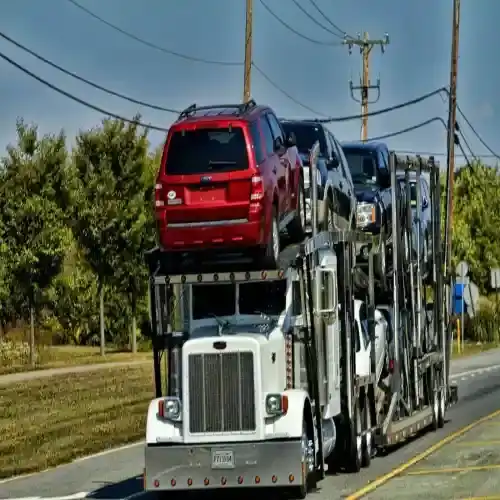
If you’re an owner-operator hauling specialized freight, don’t go it alone. Explore Dispatch Republic’s box truck dispatch services and car hauler dispatch services to access top-paying loads and compliance support. Check out our car hauling dispatch services and blog for more tips. Our dispatchers are experts in car hauling loads, flatbed loads, and reefer loads – we can match your truck to the best freight and handle the paperwork. Let us help you keep your rig loaded, safe, and legal.
For a deeper dive into the hotshot hauling business, read our Box Truck vs. Dry Van: Which Is Better for Your Business? and Step Deck vs. Flatbed: Which Is Right for Your Fleet?
Ready to make the most of your trucking business? 🚚💨 Reach out to Dispatch Republic and let our experts help maximize your earnings with tailored reefer dispatch service and dry van dispatch service solutions. We’ll handle the logistics while you keep on truckin’. Contact our truck dispatch service to get started on the road to greater profits and less hassle!
For more detailed guides, check Dispatch Republic’s resources on dispatching and the trucking business. Recent FMCSA Rule Changes for Immigrant CDL Holders if you’re weighing career paths, and Hotshot Dispatch and Compliance: Key Regulations Every Dispatcher Should Know to understand the dispatch side of the business.
If you’re an owner-operator juggling multiple responsibilities, consider partnering with a professional truck dispatch service to take the load off your shoulders—literally. At Dispatch Republic, we specialize in helping carriers run smarter and earn more by expertly managing load boards, negotiating top rates, and handling paperwork for dry vans, reefers, flatbeds, box trucks, step decks, and even hotshots. Our team monitors multiple premium load boards around the clock, ensuring your truck stays loaded with the right freight, at the right rate, on the right lane. Whether you’re scaling up or just getting started, having a dedicated dispatch team in your corner means fewer empty miles, less stress, and more time to focus on driving and growing your business.
Frequently Asked Questions
Load board optimization means using load boards in the smartest possible way to get good loads quickly. In a slow freight market, it involves tactics like setting up instant load alerts, filtering out low-paying freight, using multiple load board platforms, and even planning multi-leg routes using tools (like DAT’s TriHaul). Optimizing load board usage helps you find the highest-paying loads before they get snapped up. It’s essentially working smarter – you tailor your searches and alerts to your equipment and desired lanes, and you respond fast when a good opportunity appears. Effective load board optimization is crucial when loads are scarce, because it ensures you’re not wasting time on endless scrolling or chasing poor freight. Instead, you let technology bring the right loads to you and you act on them. Many dispatchers are experts at load board optimization – they can significantly improve the quality of loads you haul by leveraging these techniques day in and day out.
A well-planned dispatch strategy is like having a game plan for every week. In a weak market, a strong dispatch strategy focuses on minimizing empty miles, planning ahead for reloads, and choosing freight lanes wisely. For example, strategy means you don’t haul into an area where you’ll sit for days – or if you do, you charged enough on the inbound load to cover the risk. It also means clustering loads (multi-stop or partials) to boost your total revenue per trip. Additionally, a dispatch strategy covers how you use your hours – scheduling driving and rest to be available when the good loads pop up. By being strategic (instead of just reactive), you can consistently eke out profits even when others struggle. Dispatch services excel at this: they continuously monitor the market and adjust your loads and routes to keep you in the money. Essentially, a solid dispatch strategy keeps your truck moving with paying freight as much as possible, which is exactly what you need in a slow market to stay in the black.
High-risk trucking regions refer to areas that pose higher risks either to your profitability or safety (or both). In terms of profitability, these are often regions with very low outbound freight volume or notoriously cheap loads – taking a load into these areas can be risky because you might struggle to find a good load out (think places like Florida during off-season, or remote parts of the Northwest). During a slow freight period, it’s wise to be extra cautious with these regions. If you do go, have a plan (line up a return load in advance or ensure the pay going in justifies a possible empty return). In terms of safety, high-risk regions could mean areas with a lot of cargo theft, unsafe truck parking, extreme weather, or heavy regulation. Examples might include border areas known for theft or states with very strict enforcement that could sideline you for minor issues. You shouldn’t necessarily never go to high-risk regions – but you should mitigate the risk. Plan your fuel stops and parking in safer areas, keep communication with your dispatcher, and make sure you’re compliant with all laws if it’s a strict state. Ultimately, avoiding or carefully managing high-risk trucking regions is part of a good dispatch strategy when freight is slow. You want to eliminate unnecessary risks that could lead to lost time or money.
There are several key owner-operator trucking tips that can help you get through a freight recession (slow market). First, know your expenses and break-even point – this tip cannot be overstated. If you know the minimum rate you need, you can make informed decisions and avoid running for losses. Second, focus on building relationships – work closely with reliable brokers or dispatch services who can feed you loads consistently. Sometimes who you know can keep you moving even when boards are dry. Third, stay flexible and versatile – be willing to haul different types of loads or run different regions if your usual niche is slow. An owner-operator who can adapt (say, switch from dry van to reefer, or add hazmat loads, etc.) will have more opportunities. Fourth, maintain your equipment and stay compliant – a freight recession is not the time to get put out of service for preventable issues. Keep your truck in top shape to avoid breakdowns (which are extra devastating when profit margins are thin), and make sure all your paperwork (CDL, medical, ELD, etc.) is in order to avoid fines or shutdowns. Fifth, consider partnering with a dispatch service if you’re spending too many hours hunting loads or if negotiation isn’t your strong suit. A good dispatcher can uplift your revenue (through better rates and well-planned loads) and free your time. Lastly, save where you can – fuel cards, group discounts, strategic fueling (buy in cheaper states) – every penny saved on costs is a penny earned. Surviving a freight recession is about running lean, smart, and strategic. It may also be about weathering the storm; if you can at least break even or keep small profits during the worst times, you’ll be positioned to flourish when the market picks up again.
This is a great question that many owner-operators wrestle with. In a slow market, every dollar counts, so the idea of paying a dispatch fee (typically around 5-10% of the load) might seem counterintuitive. However, consider what you get in return. A good dispatch service can often secure you a significantly higher rate per load – often more than enough to cover their fee and then some. They also save you time. Time is money: the hours you would spend searching load boards and making calls can instead be used driving and earning. Dispatchers also tend to have industry contacts and access to information that can uncover loads you might miss. During a slow freight market, those advantages can mean the difference between your truck sitting idle or not. Additionally, as covered above, dispatchers handle paperwork, negotiations, and problem-solving. If one load cancels, they’re working on Plan B immediately. Think of a dispatch service’s fee as an investment: if they can consistently keep you at a higher utilization (fewer empty days) and get, say, 15% better pay on each load, you’re coming out ahead despite the fee. Of course, this assumes you have a good dispatcher. It’s important to choose a reputable dispatch service with experience in tough markets (check reviews, ask other drivers). There’s also a hybrid approach: you could continue searching for loads on your own, but also let a dispatcher work for you simultaneously – sometimes they might find something better or faster. Many owner-operators who try a dispatch service during downturns find that the value-add (financial and personal stress relief) is well worth the cost. In short, if you pick the right partner, using a dispatch service in a slow market can actually increase your net earnings and certainly reduce a lot of headache. It allows you to focus on driving while someone else hustles for your next load. That said, if you have plenty of direct contacts and feel confident navigating a slow market solo, you might save a bit on fees – just be realistic about the time and effort required. The market is brutal right now, so having an expert ally in your corner is something to seriously consider.
Ready to Take Your Trucking Career to the Next Level?
Whether you’re an owner-operator, a company driver, or a carrier company in need of truck dispatch services, Dispatch Republic is here to help. Our teamof experienced truck dispatchers offers affordable, professional truck dispatch solutions designed to save you time, increase your earnings, and make your business more efficient.
Thinking about outsourcing your truck dispatching? Contact Dispatch Republictoday and move smarter, not harder.
Found our Blog useful? Spread the word:
Check our latest posts:
[latest_posts_grid]
Contact us today to see how our team can support your trucking business.