Table of contents
It’s January 2026. You’re an owner-operator looking ahead to the year, but the rules of the road are already changing. Headlines are buzzing about thousands of truckers losing their CDLs overnight due to FMCSA action. California is in a showdown with the feds over 17,000 licenses, and dispatchers are scrambling to adjust. What’s going on? In short: a major federal crackdown on non domiciled CDL holders is underway, and it’s poised to shake up trucking in the new year. In this post, we break down what these non domiciled CDL cancellations mean for owner-operators and small fleets, how it might affect trucking rates winter and beyond, and how a smart truck dispatch strategy can help you navigate the turbulence. Get ready – 2026 is bringing big changes, but with the right game plan, you can stay ahead of the curve.
Why Thousands of CDLs Are Getting Canceled in 2026
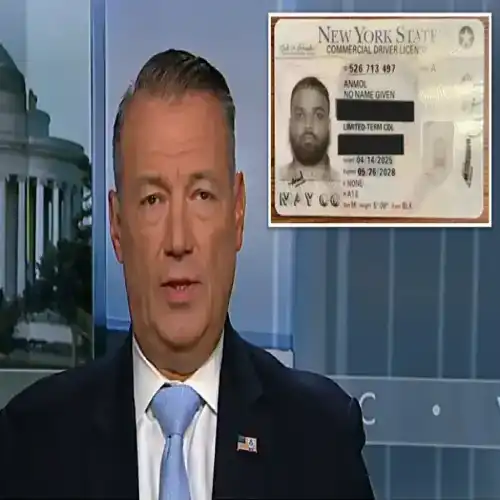
What is a “non domiciled CDL”? It’s a type of commercial driver’s license issued to someone who is not a U.S. citizen or permanent resident, often a foreign driver authorized to work here. These licenses allowed drivers to qualify in a state even if they weren’t domiciled (resident) there. The system was intended to fill workforce gaps, but it spiraled out of control. A 2025 federal audit uncovered tens of thousands of CDLs that were improperly issued – for example, licenses valid years beyond a driver’s lawful visa status or given without proper work permits. In California alone, over 17,000 non domiciled CDL holders were found to have licenses that should not have been issued under federal rules. Nationwide, the audit revealed systemic non-compliance in at least 19 states’ licensing agencies. The FMCSA (Federal Motor Carrier Safety Administration) deemed it a safety risk and a failure of oversight.

FMCSA’s Crackdown: In late 2025, FMCSA issued an emergency rule to halt new non domiciled CDLs and ordered states to cancel invalid ones. They basically told states: fix this now, or face penalties. Many states scrambled to comply. Texas, for example, immediately canceled all suspect licenses. California, on the other hand, tried to delay – its DMV sent 60-day cancellation notices pushing the date to March 6, 2026, arguing they needed more time to sort things out. FMCSA’s response? No dice. In early January, U.S. Transportation Secretary Sean Duffy announced $160 million in federal highway funds would be withheld from California for missing the January 5 deadline to revoke those 17,000 licenses (the penalty could double next year if California doesn’t comply) . In short, the feds put their foot down hard. By 2026, non domiciled CDL cancellations are rolling out across multiple states, effectively sidelining thousands of foreign drivers.
Why the sudden urgency? FMCSA cites safety and legality. The agency found cases of drivers with expired visas still holding valid CDLs, and even some fatal crashes involving non domiciled drivers were spotlighted (though data on whether these drivers are less safe is debated). Officials say it’s about enforcing existing law – only drivers with lawful, up-to-date immigration status should hold a CDL. There’s also a political angle: the current administration framed it as stopping “dangerous foreign drivers” and closing loopholes that supposedly let unqualified drivers undercut the system. Some industry voices, like OOIDA (Owner-Operator Independent Drivers Association), openly support the move – OOIDA’s president remarked that “the days of exploiting cheap labor on the basis of false ‘driver shortage’ claims are over”, applauding regulators for finally acting on a long-standing issue. Many owner operators feel that certain carriers were using lower-paid foreign drivers to depress rates, so removing those drivers could level the playing field in their favor.
Of course, not everyone agrees. This crackdown has faced legal pushback and controversy. A group of carriers and drivers (including an association of international truckers) sued FMCSA, and for a time a court put the emergency rule on hold. But importantly, even with legal challenges in play, FMCSA has continued using its audit findings to pressure states individually. By January 2026, 18 states had received non-compliance letters and a 19th was added within days – essentially a nationwide purge of invalid licenses . The writing is on the wall: non domiciled CDL holders are being pushed out of the U.S. trucking workforce, one way or another.
For an owner-operator, especially if you are a non-U.S. citizen driver, this is a seismic change. It means you must verify your CDL status immediately. If you hold a non domiciled CDL, check with your state DMV and immigration attorney on whether you are still eligible. Some states are outright canceling these licenses; others might reissue you a downgraded license (or none at all) if you don’t meet the new stringent visa requirements. We’ve heard of drivers receiving letters out of the blue saying their CDL will be voided in 60 days. It’s a frightening scenario: your livelihood could be yanked away. If you’re in this boat, proactive steps are crucial – for example, updating your immigration status if possible (only certain work visas now qualify for a CDL) or transitioning to another role until you can regain a valid license. Don’t assume you can fly under the radar; every state is under the microscope. And carriers (your motor carrier or your own authority) are being told by lawyers to audit their driver roster pronto for any non domiciled licenses .
Impact on Truck Capacity and Freight Rates in 2026
What does this purge mean for the freight market and your earnings? One word: capacity. By forcing potentially tens of thousands of drivers off the road, the FMCSA is effectively shrinking the pool of available trucks. Fewer trucks available usually means tighter capacity for freight. And when capacity tightens, freight rates go up. In fact, industry analysts have been predicting a “capacity crunch” as a result of these rules. Seasonal freight rates normally fluctuate (we’ll get to that next), but this regulatory shock is a new factor in the mix for 2026.
Think about it: over the past few years, an influx of non domiciled drivers added a huge number of trucks to the road. FreightWaves reported that since 2019, over 200,000 non domiciled CDLs were issued, correlating with a massive surge of new trucking capacity that contributed to the recent freight recession . In plain terms, an oversupply of trucks led to lower spot rates in 2023–2024. Now, with those drivers being shown the door, the pendulum is swinging back. One carrier survey by Overdrive found that 70% of truck drivers believe removing non domiciled drivers will boost rates, and even a significant chunk of the affected foreign drivers agreed the crackdown would tighten the market. Essentially, trucking rates winter 2026 and onward may get a lift not because there’s more freight, but because there are fewer drivers to haul it .
Let’s talk specifics: winter freight season is usually a mixed bag. Early winter (December) often sees a holiday peak with high demand, then the deep winter months (January–February) bring a lull. These are normal seasonal freight rates patterns – for instance, December spot rates often jump due to Christmas retail freight and weather disruptions, then January cools off sharply. In a typical year, many owner-operators brace for a slow first quarter with softer rates. But 2026 might buck that trend. With thousands of drivers forced out of service just as we enter Q1, the usual post-holiday rate slump could be less severe than usual, at least on certain lanes. We might even see pockets of rate spikes in what is normally a quiet season. If, say, West Coast ports or produce regions suddenly have 10-15% fewer trucks because a lot of those non domiciled drivers operated there, the trucking rates winter 2026 in those areas could stay elevated or even climb. Early reports already indicate some brokers scrambling to cover loads in California and Texas due to driver availability issues – a direct result of the license cancellations in those states.
To put it in perspective, industry experts estimate up to 8% of the national driver workforce could be removed by the time this policy is fully enforced. Eight percent might not sound huge, but in trucking that’s a massive shift. Imagine if overnight one out of every twelve trucks vanished – that’s essentially what could happen over the coming months. Already, spot market rates have shown upticks in late 2025 as uncertainty around these rules grew. Freight brokers have started pricing in risk premiums for certain routes, anticipating that fewer trucks will be around. As one freight analyst succinctly put it, “The bottom line: rates are going up not because there’s more freight, but because there are fewer drivers available to hit the road.” In other words, the supply-demand balance is changing.
Owner-Operator Angle – Good or Bad? For independent owner-operators who keep their authority and CDL in good standing, a tighter market can be a silver lining. You might find better negotiating power on spot loads and possibly improved contract rates as 2026 progresses. If you’ve survived the low rates of the recent freight recession, a supply squeeze could finally put more money per mile in your pocket. Some small carriers are already reporting that after non domiciled drivers were taken off their lanes, brokers called back with higher offers to get the freight moved. This kind of upward rate pressure is something we haven’t seen in a while in many segments.
However, a capacity crunch isn’t all rosy. It can also mean operational chaos in the short term. If you’re a fleet owner, you might have trucks sitting because a driver got disqualified. You may need to turn down loads if you suddenly lose team members. And for shippers and brokers, there’s concern that supply lines could be disrupted, especially if a lot of capacity leaves quickly. In fact, a coalition of state DMV officials warned that yanking these licenses so fast could “cripple supply lines and raise costs” for goods – essentially, a price hike for transportation that could trickle down to consumers. As an owner-operator, that means you should be prepared for potential volatility. High rates are great, but not if freight volumes drop or become inconsistent. We could see unusual patterns: certain routes might pay a fortune if they’re short on trucks, while others could still lag if those foreign drivers weren’t a factor there.
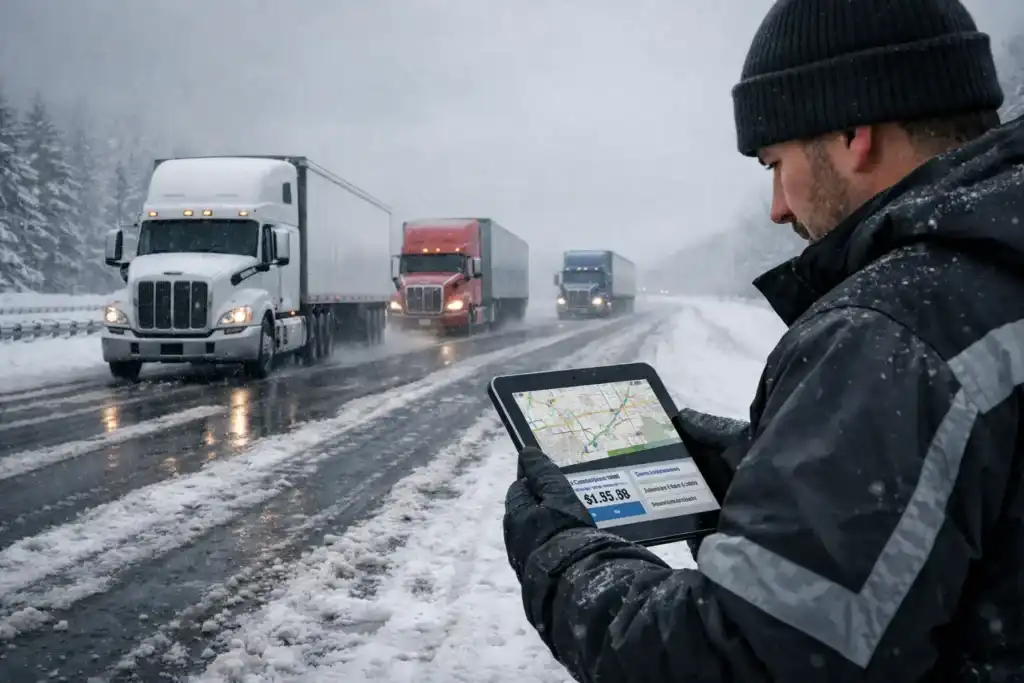
Seasonal Freight Rates Meets Regulatory Shake-Up: Normally, by late January, trucking enters its slow season – the holidays are over, winter storms occasionally interrupt but overall freight volume is down. Many drivers use this time for maintenance or time off. But this year, keep an eye on the market data. If enough drivers are forced off the road by February (which is likely the case as states like Colorado, New York, North Carolina, Minnesota, and others purge licenses), we could see spot rate firmness even in mid-winter. Come spring and summer 2026, when freight historically picks up, the effect might be even more pronounced: produce season + fewer trucks = potentially a hot market for those running. In other words, the seasonal freight rates cycle might be amplified – lower capacity could make the highs higher (and perhaps the lows shorter).
For those still out there driving, it’s wise to adjust your strategy to capitalize on this. Which brings us to our next point: how to adapt, and how a truck dispatch strategy from a good dispatcher can make all the difference.
How a Smart Truck Dispatch Strategy Can Help You Adapt
When regulations and market conditions are in flux, a strong truck dispatch strategy becomes your secret weapon. As a truck dispatch company, we’ve seen firsthand how proactive planning and support can turn potential crises into mere speed bumps. Here are concrete ways a dispatch service like ours can support owner-operators and small fleets amid the non domiciled CDL shake-up:
- Load Re-Booking and Schedule Flexibility: Suppose one of your drivers (or you, if you’re an independent O/O) suddenly loses their CDL privileges or is put out of service during a trip. This is a nightmare scenario – freight is on the trailer and the driver can’t legally move it. A quality dispatch service springs into action here. We can quickly contact brokers and shippers to inform them of the issue and, more importantly, re-book the load onto another truck if possible. Because a dispatch team often works with a network of carriers and drivers, we might help arrange a swap or recovery driver to complete the haul. If you’re an owner-op with your own authority, we’ll coordinate with the broker to perhaps get the load accepted by another carrier you partner with, so your customer is taken care of. This kind of quick thinking preserves relationships and keeps that revenue from evaporating. Basically, we act fast so that a license crisis doesn’t result in a broken contract or a stranded load.
- Adjusting Routes and Plans Proactively: A truck dispatch service constantly monitors what’s happening on the ground – weather, traffic, and yes, regulatory enforcement. During this non domiciled CDL purge, there may be hotspots of enforcement (e.g. California scale houses might be extra keen on checking licenses in early 2026). We adjust routes to minimize risk and delays. For example, if roadside inspectors are doing targeted checks in one state, your dispatcher may route you through an alternate corridor to avoid lengthy inspections (always while staying compliant with HOS and safety, of course). Similarly, if a driver shortage in one region is causing long load times or backlog, we might pivot your truck to a different freight market where things are moving smoothly. A dynamic dispatch strategy helps you avoid dead-ends – both literal and figurative – and keeps your wheels turning profitably.
- Handling Communications and Paperwork: When new rules cause confusion, paperwork and communications can become a full-time job. That’s what you pay a dispatcher for. We handle the calls and emails so you don’t have to. Did your truck get held up at a shipper because the previous driver never showed (possibly due to a non domiciled issue)? We’ll be on the phone with the broker immediately, updating them and negotiating any layover or detention pay for your wait. We’ll send out revised rate confirmations if a load gets re-assigned, and ensure all parties sign off. If your non domiciled CDL team driver has to hop out and you want to keep running solo, we’ll update the load arrangements with the customer accordingly. All those tedious logistics and documents – a professional dispatch service takes that off your plate. During regulatory delays or compliance hiccups, having someone dot i’s and cross t’s means you get paid for your time and don’t burn bridges with clients.
- Safe Parking and Emergency Support: Imagine you’re out in a winter storm – or worse, put out of service at a weigh station because of some paperwork issue or an “English proficiency” roadside test (yes, that’s a thing now: inspectors can OOS a driver if they deem their English isn’t good enough). Now you’re stuck. This is where a dispatcher proves their worth beyond just finding loads. We’ll help locate the nearest safe parking – whether it’s a truck stop, rest area, or a secure lot – and guide you there if you had to leave the inspection site. We can also coordinate roadside assistance or even a relief driver if one needs to come get the truck/trailer. While you focus on staying safe and legal, your dispatch team is in the back office arranging tow services, calling the shipper to explain the delay (“the load will be late due to unforeseen compliance issues, we’re on it”), and finding a solution to get you moving again as soon as possible. We essentially become your 24/7 support crew so you’re never stranded alone facing a problem.
- Compliance Guidance and Documentation: During times like these, compliance is king. A dispatch service can play a role in keeping you compliant. How? We stay updated on the latest FMCSA announcements and state DMV actions. We’ll remind you of any filings needed (for example, if you did somehow need to transition from a non domiciled CDL to a regular one by obtaining residency, we’d help point you toward the process or connect you with someone who can). We also help maintain accurate driver qualification files for our fleet clients – ensuring copies of CDLs, medical cards, etc., are up to date. If an insurance company or broker suddenly requires proof that none of your drivers hold non domiciled licenses (this is happening – some brokers now screen carriers for this factor), we’ll assist in pulling reports and providing whatever verification is needed. It’s not glamorous, but these details can make or break whether you can haul certain loads. With a dispatcher’s help, you won’t miss an important compliance step while you’re busy driving.
In short, a truck dispatch strategy in 2026 needs to be extra adaptive. It’s not just about finding the highest-paying load on the board; it’s about steering through regulatory storms. The value of having a dispatch partner is that we think three steps ahead on your behalf. If thousands of drivers are getting sidelined, we’re strategizing how to exploit the resulting niche opportunities for you (e.g., maybe a certain lane is now underserved – we’ll get you in there at a premium). If new rules cause slowdowns at ports or warehouses, we’ll buffer your schedules and find alternative loads to avoid dead time. We’re essentially your eyes and ears in the chaotic freight landscape. As an owner-operator wearing many hats, having that dedicated support can be the difference between thriving amid change or getting blindsided by it.
Other FMCSA Rule Changes to Watch in 2026
While the non domiciled CDL crackdown is stealing the spotlight, it’s not the only regulatory change in the new year. Owner-operators should keep a few other FMCSA initiatives on their radar:
- Electronic Logging Devices (ELD) Updates: In late 2025, FMCSA removed several ELD models from its approved devices list for not meeting technical standards. If you happen to use one of those now-banned ELDs, you’ll need to replace it promptly. Running afoul of ELD compliance can put you out of service. A dispatch service can help identify a reliable ELD and ensure your logs stay compliant. (Pro tip: Always have a backup logging method for a short period when transitioning ELDs, in case of any glitches.)
- Drug Testing and Clearinghouse: The FMCSA Drug & Alcohol Clearinghouse rules are firmly entrenched, but 2026 could see new testing methods inch closer. There’s talk that hair follicle drug testing guidelines may finally advance. Also, fentanyl was flagged to potentially be added to the DOT drug testing panel. These changes aren’t finalized yet, but stay informed – if implemented, even a one-time experiment that was undetectable before could suddenly become a career-ender. As an owner-op, make sure you’re enrolled in a consortium for random tests (mandatory if you have your own authority). And of course, dispatch services often assist fleet clients in managing compliance calendars for testing. We can remind you about annual queries or if any new testing requirement kicks in.
- Speed Limiter Rule (Possible): A highly controversial proposal to mandate speed limiters on trucks is floating around FMCSA’s agenda. If a rule is finalized in 2026, it could require trucks to have speed governors set to a certain max (possibly 65 mph, though nothing confirmed). Owner-operators would have a phase-in period to equip their trucks if they aren’t already. This isn’t law yet, but keep an ear out. It’s a reminder that being adaptable isn’t just about market rates but also about your equipment and how you operate. Should this rule move forward, a dispatcher can help adjust your trip planning (longer transit times if capped at lower speeds, different appointment scheduling, etc.).
- Unified Registration System (URS) Changes: Starting January 2026, the final stages of the URS are in effect. FMCSA has been streamlining carrier registration – for example, MC numbers are going away, and only the USDOT number will matter for identification. If you’re running under your own authority, ensure your registration info is up to date. You might need to update your truck door signage to display your USDOT prominently if you haven’t already. This is more of an administrative change, but failing to comply could lead to fines. We mention it because it’s one more thing on your plate. (If you work with truck dispatch services like ours, we can assist or at least remind you when your biennial update or any URS-related task is due, so you stay in good standing.)
All told, 2026 is shaping up to be a year where regulatory compliance is as important as your driving skills. The motto for owner-operators should be: stay informed, stay prepared. By aligning with a dispatch partner who watches these developments closely, you won’t be caught off guard. We make it our job to not only find you freight but also to keep you ahead of rule changes that impact your business.
The Bottom Line: Turning Challenges into Opportunities
Change in trucking is constant – sometimes it creeps in (like gradually tightening emissions rules), and sometimes it hits like a ton of bricks (like this non domiciled CDL purge). As an owner-operator or small fleet, you can’t control what the regulators do, but you can control how you respond. The purge of non domiciled drivers is a challenge for those directly affected and a shake-up for the industry at large. But in every challenge lies opportunity:
- If you’re directly affected (a non domiciled CDL holder): This is obviously a critical juncture. Use every resource at your disposal – legal counsel, immigration experts, your dispatcher, industry associations – to explore a path forward. You may need to pause operations and resolve your status, or perhaps partner with another carrier in the interim (some drivers are opting to run team with a fully licensed partner or become a company driver for fleets that can sponsor work authorization). Don’t isolate; communicate. Let brokers or carriers you work with know what’s happening – many value your service and might help you find a solution (like intra-state work that might be possible with a regular license, etc.). Most importantly, stay safe and lawful; running under the radar without a valid CDL is not worth the risk to you or others.
- If you’re an owner-op who is not directly affected: you might actually see business improve. Be ready to seize the moment. Higher spot rates mean it’s time to optimize: negotiate those rates hard (know your worth in a tightening market), maybe dust off lanes that weren’t paying last year but could pay now, and consider expanding your operation if you’ve been on the fence (a lot of parked trucks might be up for sale cheap – and if you can find qualified drivers, 2026 could be a profitable year to grow). That said, maintain professionalism – shippers and brokers will remember who delivered reliably during the chaos. If others drop loads because of driver issues, step in and save the day. That’s how small carriers build a reputation (and command premium rates long-term).
- Lean on your dispatch support: There’s no trophy for going it alone through a regulatory storm. Truck dispatch services exist to make your life easier and your business stronger. From finding you those high-paying emergency loads when capacity is tight, to handling the tedious compliance and communication tasks, a dispatch partner is like mission control for your one-truck or ten-truck operation. We’ve got your back. As rules shift, we adjust your loads and strategy in real-time. Our goal is the same as yours: keep your truck moving and making money, no matter what external challenges arise.
At Dispatch Republic, we pride ourselves on being more than just a load-finder – we’re a full-scale support system for owner-operators. The new FMCSA rules in 2026 are challenging, but you don’t have to face them alone. If you want to stay compliant, profitable, and stress-free, our truck dispatch service is here to help you navigate every turn. Reach out to us today to learn how we can tailor a truck dispatch strategy for your business, handle the busy-work, and let you focus on what you do best: driving and earning. New year, new rules? No problem – with the right dispatch team in your corner, you can turn these hurdles into stepping stones for a successful year on the road.
If you’re an owner-operator hauling specialized freight, don’t go it alone. Explore Dispatch Republic’s box truck dispatch services and car hauler dispatch services to access top-paying loads and compliance support. Check out our car hauling dispatch services and blog for more tips. Our dispatchers are experts in car hauling loads, flatbed loads, and reefer loads – we can match your truck to the best freight and handle the paperwork. Let us help you keep your rig loaded, safe, and legal.
For a deeper dive into the hotshot hauling business, read our Box Truck vs. Dry Van: Which Is Better for Your Business? and Step Deck vs. Flatbed: Which Is Right for Your Fleet?
Ready to make the most of your trucking business? 🚚💨 Reach out to Dispatch Republic and let our experts help maximize your earnings with tailored reefer dispatch service and dry van dispatch service solutions. We’ll handle the logistics while you keep on truckin’. Contact our truck dispatch service to get started on the road to greater profits and less hassle!
For more detailed guides, check Dispatch Republic’s resources on dispatching and the trucking business. Recent FMCSA Rule Changes for Immigrant CDL Holders if you’re weighing career paths, and Hotshot Dispatch and Compliance: Key Regulations Every Dispatcher Should Know to understand the dispatch side of the business.
If you’re an owner-operator juggling multiple responsibilities, consider partnering with a professional truck dispatch service to take the load off your shoulders—literally. At Dispatch Republic, we specialize in helping carriers run smarter and earn more by expertly managing load boards, negotiating top rates, and handling paperwork for dry vans, reefers, flatbeds, box trucks, step decks, and even hotshots. Our team monitors multiple premium load boards around the clock, ensuring your truck stays loaded with the right freight, at the right rate, on the right lane. Whether you’re scaling up or just getting started, having a dedicated dispatch team in your corner means fewer empty miles, less stress, and more time to focus on driving and growing your business.
Frequently Asked Questions
A non domiciled CDL is a commercial driver’s license issued to someone who is not a U.S. resident or citizen (for example, foreign drivers working in the U.S. on temporary visas). In 2025, the FMCSA discovered widespread issues with how these licenses were granted – thousands were issued improperly (like to drivers whose legal status had expired). As a result, FMCSA ordered states to cancel or not renew any non domiciled CDLs that don’t meet strict new immigration and documentation requirements. In 2026, states are actively canceling those CDLs, which means many foreign national truck drivers are losing their legal ability to drive commercial vehicles. The cancellations aim to enforce existing federal rules that say you must have lawful, up-to-date immigration status (and certain work visas) to hold a CDL. For owner-operators, this means if you have a non domiciled CDL, you need to check its status immediately. And even if you don’t, you’ll feel the effects as those drivers come off the road (through tighter capacity and possibly higher freight rates).
Pulling thousands of drivers out of the trucking workforce will reduce capacity, which tends to drive freight rates up. Think of it like this: the pie (number of loads) stays the same, but there are fewer trucks available to haul them – so shippers and brokers may bid higher to secure a truck. In practical terms, many expect spot market rates to rise in 2026 due to this driver purge. We’re already seeing early signs of strengthening rates in some regions. It might not happen overnight everywhere, but as the cancellations ripple through (especially in states like California, Texas, New York, etc.), certain lanes will have a capacity crunch. Owner-operators who are still running with valid CDLs could find they have more negotiating power and better-paying loads. Seasonal freight rates patterns will still apply (e.g. spring produce season will surge, mid-summer might dip, etc.), but those peaks could be higher than usual and the valleys not as low, because overall driver supply is down. In short, 2026 is likely to tilt toward a carrier-favorable market – good news for truckers’ rates, as long as freight demand holds steady.
We anticipate trucking rates winter 2026 will show the impact of the CDL cancellations. Normally, winter (especially January-February) is the slow season with lower rates. But with so many drivers being removed from service right at the start of 2026, the usual winter downturn may be milder. In certain markets – say, freight coming out of California’s produce warehouses or the ports – rates this winter could stay unseasonably firm because capacity suddenly tightened. It’s a bit of a tug-of-war: winter weather and post-holiday slowdowns push rates down, but the driver shortage caused by the rule could push rates up. Early January might still see a dip (as always after Christmas), but pay attention to late January and February: if shippers struggle to find trucks, they’ll up the pay. Some industry surveys even indicated many carriers expected a rate boost in winter 2026 compared to recent years, specifically due to the non domiciled driver phase-out. So yes, while winter is usually a cooler market, this year those trucking rates winter trend lines might surprise to the upside in certain regions or segments.
If you are an owner-operator with a non domiciled CDL (meaning you’re a foreign national driver here on a visa or similar), you need to act quickly. First, verify if your CDL is still valid or flagged for cancellation. Contact your state’s DMV or licensing agency – many have lists or have sent letters to affected drivers. Second, look into your immigration status and work authorization: under the new rules, only specific work visas (mostly employment-based, temporary visas like certain H-2B visas) allow a non domiciled CDL, and even then, the license expiry must align with your visa’s expiry (with yearly in-person renewals). If you fall outside those categories, you may not be eligible at all. This might mean you need to pause driving until/unless you can obtain a proper status. Consider consulting an immigration attorney to see if there’s a path to adjust your status that would let you legally drive again. In the meantime, you could explore working under someone else’s authority in a different role (perhaps as a team driver with a fully licensed partner, or in dispatch/office roles) just to stay afloat. Importantly, communicate with your brokers or carrier customers – let them know you’re addressing the issue. If you work with a truck dispatch service, loop them in; a good dispatcher can help find temporary solutions (maybe local loads that don’t require interstate authority or advising you on compliance) while you sort things out. It’s a tough spot, no doubt. But the worst thing you could do is try to fly under the radar – driving on a canceled or invalid CDL can lead to hefty fines and even criminal charges. Facing it head-on and seeking a legal resolution is the best (and really only) course.
We’re seeing brokers and insurers take a much harder line on carriers who have non domiciled CDL drivers. From the insurance side, some major trucking insurers have hinted (and some have already implemented) policies where they won’t cover any driver who doesn’t have a domicile in the U.S. or a permanent lawful status. Their fear is that if there’s an accident involving a non domiciled driver, it could lead to massive legal liabilities (plaintiff attorneys might argue the carrier was negligent hiring an “unqualified” driver, for example). So insurance agents are reviewing fleets and asking “Do you employ any non domiciled CDL holders?” and if the answer is yes, those fleets might face higher premiums or outright non-renewal of coverage. Likewise, many freight brokers are proactively screening carriers for this. In fact, some freight tech solutions (like carrier onboarding platforms) introduced features to flag carriers with non domiciled drivers so brokers can avoid them. The concern for brokers is twofold: service failure (if a driver’s license gets yanked mid-load) and liability (brokers have been sued in accidents, and if they knowingly used a carrier with illegal drivers, it looks bad). So don’t be surprised if brokers you’ve worked with reach out to confirm your drivers are all properly licensed or even ask for copies of CDLs. If you’re a one-man operation, this might not come up, but small fleets certainly are getting this scrutiny. The bottom line is, the industry’s “gatekeepers” (insurance and brokers) are aligning with the FMCSA’s push. As an owner-operator, if you’re all legit, there’s no issue – just another item to verify occasionally. And if you do have questionable driver status in your fleet, expect limited options until that’s resolved. This reaction ultimately reinforces the intent of the rule: it’s pressuring everyone to phase out non domiciled drivers quickly.
A truck dispatch company can be immensely helpful during times of change like this. Firstly, your dispatcher can keep you informed. We stay on top of industry news, so we’ll alert you if there’s something like “State X just canceled 5,000 CDLs” or “Broker Y now requires a certification of driver domicile.” That heads-up allows you to prepare rather than be caught off guard. Secondly, as described earlier, a dispatch service helps with all the adjustments: finding new loads if others fall through, re-routing you around trouble spots, negotiating extras like detention or layover if regulatory delays occur, and so on. Think of it like having an operations manager in your corner – you’re not just a lone truck out there; you have a team making calls and plans for you in the background. For example, if the truck driver shortage gets worse because of these rules, shippers might start offering longer-term or dedicated lanes to secure capacity – your dispatcher will sniff those opportunities out and present them to you (“Hey, lane from A to B is paying great consistently, shall we lock it in for a month?”). Also, during any period where you might be transitioning (say you had to take a week off to renew paperwork or you lost a co-driver), a dispatcher works to fill your schedule as soon as you’re back and maximize your revenue to make up for lost time. In short, a dispatch company becomes your partner in navigating both the big picture strategy and the day-to-day grind. Especially in a chaotic environment like early 2026, having that steady hand can reduce your stress and help turn potential problems into profitable pivots. If you don’t have a dispatcher and are feeling overwhelmed by all these new developments, it might be a good time to consider getting one – even if just to help with the heavy lifting until things stabilize.
Ready to Take Your Trucking Career to the Next Level?
Whether you’re an owner-operator, a company driver, or a carrier company in need of truck dispatch services, Dispatch Republic is here to help. Our teamof experienced truck dispatchers offers affordable, professional truck dispatch solutions designed to save you time, increase your earnings, and make your business more efficient.
Thinking about outsourcing your truck dispatching? Contact Dispatch Republictoday and move smarter, not harder.
Found our Blog useful? Spread the word:
Check our latest posts:
[latest_posts_grid]
Contact us today to see how our team can support your trucking business.