Table of contents
- Hotshot Dispatch vs. Flatbed Dispatch: The Basics
- Equipment and Licensing Requirements
- Load Capacity and Freight Types
- Operational Differences (Speed, Distance, and Workflow)
- Pros and Cons at a Glance
- Choosing the Right Option for Your Business
- How a Dispatch Service Can Boost Your Success
- Conclusion
- Frequently Asked Questions
Thinking about expanding your trucking business and torn between running a hotshot setup or going full flatbed? The choice between hotshot dispatch and flatbed dispatch operations can significantly impact your profits, daily logistics, and long-term success. Both types of trucking use open deck trailers to haul freight, but they differ in equipment, capacity, and the kind of loads they handle. In this guide, we’ll break down hotshot vs flatbed from an operational standpoint – so you can decide which is the better fit for your business.
We’ll cover the real-world pros and cons that owner-operators and small fleets face with each option. No fluff – just practical insights on licensing (like non CDL considerations), load securement (think chains and binders, tarps, etc.), types of freight (including oversize load capabilities), and how a dispatch service can keep you loaded and profitable. Let’s jump in and find out whether hotshot or flatbed trucking makes the most sense for your operation!
Hotshot Dispatch vs. Flatbed Dispatch: The Basics
Before diving into details, it’s important to understand what we mean by hotshot dispatch and flatbed dispatch in everyday trucking operations:
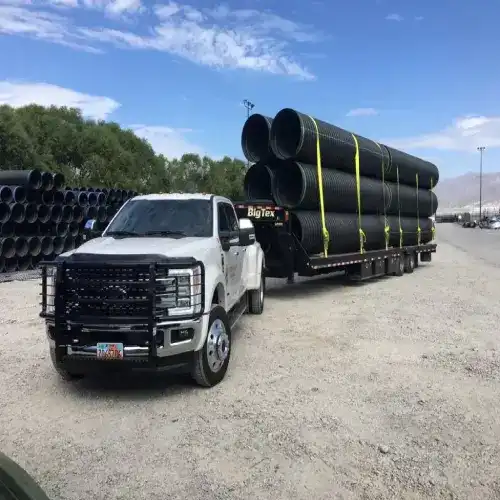
- Hotshot Trucking (Pickup + Trailer): Hotshot trucking involves a heavy-duty pickup truck (often a Class 3–5 truck like a Ford F-350 or Ram 3500) pulling a gooseneck or lowboy flatbed trailer. This open deck setup is smaller than a semi-truck and is used to haul time-sensitive, smaller loads. Hotshots are agile and typically handle less-than-truckload (LTL) freight – for example, a critical piece of machinery needed on a job site ASAP. The “dispatch” part simply refers to finding and managing loads for the hotshot rig. Hotshot rigs often range from 20 to 40 feet in trailer length and might operate non CDL if kept under certain weight limits (more on that below).
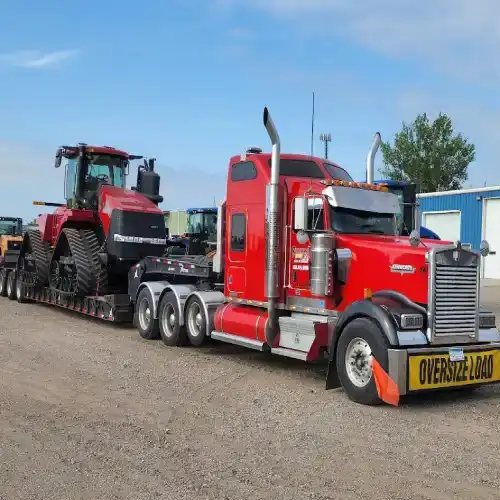
- Flatbed Trucking (18-Wheeler): Flatbed trucking uses a full-size semi tractor and a flatbed trailer (usually 48’ or 53’ long). These are the big rigs capable of hauling large, heavy freight – think construction steel, lumber, heavy equipment, or even oversize load shipments with permits. Flatbed dispatch refers to coordinating loads for these trucks. Flatbeds have no walls or roof, allowing cargo to be loaded from any side or above. Because of their higher capacity, flatbeds can carry what hotshots can’t – big machines, multiple pallets of materials, and oversized items that require more space and weight allowance.
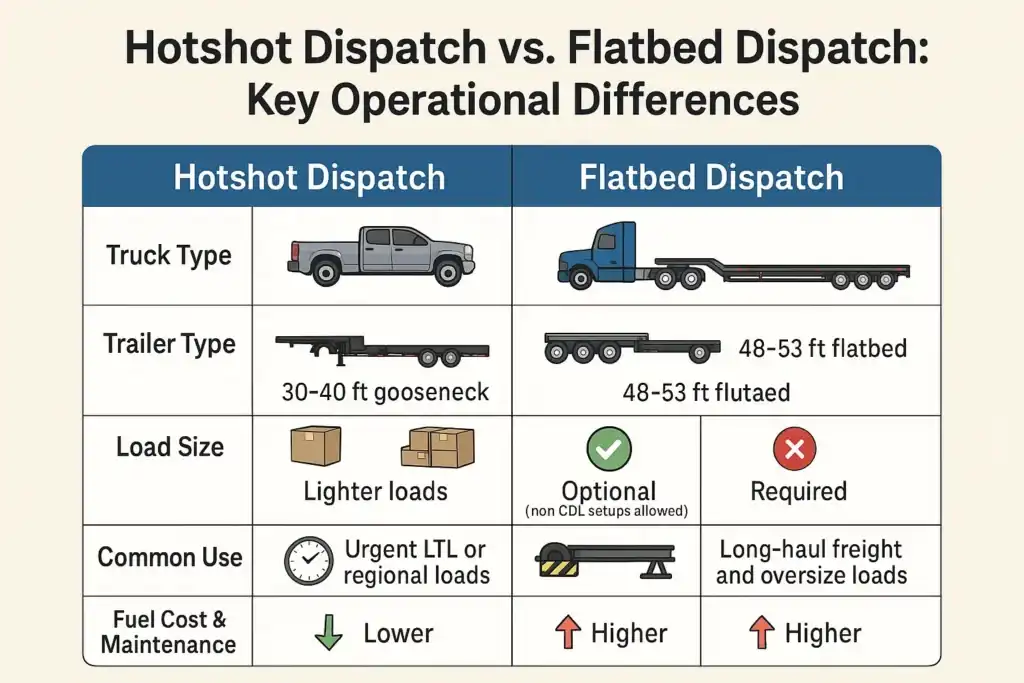
In short: Hotshot setups are like the nimble sprinters of open-deck freight, great for quick moves of smaller loads. Flatbeds are the heavy lifters, ideal for bulkier cargo and maximum payload. Now, let’s compare them head-to-head on key factors.
Equipment and Licensing Requirements
One of the biggest differences between hotshot and flatbed operations is the equipment used – and the licenses or regulations involved.
- Truck and Trailer: A hotshot uses a pickup truck (often one-ton dually) with a gooseneck trailer. This equipment is generally less expensive to purchase and maintain than a Class 8 semi-truck and flatbed trailer. Starting ahotshot dispatch service can cost significantly less upfront, which is why many new owner-operators consider it. On the other hand, a flatbed setup requires an 18-wheeler tractor unit plus a large trailer. The investment is higher, but so is the capacity.
- Weight Capacity: Hotshot rigs have limited gross weight capacity. Many hotshot truck/trailer combos are rated for around 26,000 lbs gross or less, especially if running non CDL hotshot. In fact, staying under a 26,000-pound combined weight is key if you want to avoid needing a commercial driver’s license(See more). For example, if your pickup’s GVWR plus your trailer’s GVWR total 26,000 lbs or below, you can legally operate without a CDL (as long as you’re not hauling hazardous materials or large passenger counts). This is a major draw for some – it lowers the barrier to entry. Flatbed dispatch operations, by contrast, assume you have a Class A CDL. A flatbed semi can gross up to 80,000 lbs under federal highway limits (See more about Oversize/Overweight Load Permits), which translates to roughly 48,000+ lbs of cargo after accounting for the truck and trailer weight. In short, a flatbed can haul far more weight than any hotshot rig.
- Licensing and Regulations: Even if you go non CDL with a hotshot, you’re still subject to commercial trucking rules. Any commercial vehicle over 10,000 lbs must have a USDOT number and follow FMCSA safety regulations (insurance, vehicle inspections, Hours of Service, etc.). Don’t fall into the trap of thinking hotshots are “exempt” – aside from the CDL requirement, you must run legal and safe. Hotshot drivers need to log hours with ELDs (if the truck is year 2000 or newer) and carry proper insurance just like big rig drivers. If you choose a flatbed, a CDL is mandatory and you’ll be very familiar with all the regulations from day one. Bottom line: Hotshot trucking can let you start without a CDL, but it doesn’t exempt you from DOT oversight. Flatbed trucking requires more upfront qualifications but also gives you full professional status and capacity from the get-go.
- Dimensions and Trailer Types: A typical hotshot trailer is 30–40 feet long, often a gooseneck flatbed. Some have dovetail ends or ramps to load vehicles and equipment easily. Flatbed trailers come in various forms – standard flatbeds, step decks, double drops, etc., some with extendable decks or specialized features for oversize loads. If you frequently haul tall or long freight, a flatbed step-deck or RGN (Removable Gooseneck) trailer offers capabilities a hotshot trailer can’t. For instance, hauling a 11-foot tall piece might be possible on a step-deck (lower deck height) but impossible on a hotshot due to height clearance issues. Oversize width (over 8.5 feet) is another consideration: flatbed trucks regularly move wide loads with permits, using escort vehicles if needed. A hotshot can also technically haul an oversize item if it’s within the trailer’s weight capacity and you obtain permits, but in practice most hotshot freight is standard dimension or only slightly oversized.
Key Takeaway: If you don’t have a CDL and want to start fast, hotshot trucking is appealing – just keep the combined weight under 26k and know the smaller scale limits your load size. Flatbed trucking demands a CDL and bigger investment, but opens the door to hauling much heavier freight and often commanding higher rates per load.
Load Capacity and Freight Types
The kinds of loads you haul – and how you haul them – differ considerably between hotshot and flatbed operations. This affects how you earn money and what niche you serve.
- Typical Hotshot Loads: Hotshots excel at urgent, smaller loads. For example, a construction company might need a special part or a few pallets of materials delivered same-day to a job site – a classic hotshot job. Oilfield equipment, farm machinery, generators, pipes, or even vehicles can be hotshot freight if they fit the trailer. Many hotshot loads are LTL or partial loads that wouldn’t fill a 48’ trailer, but still need to move quickly. Because hotshot rigs are lower to the ground and often have ramps, they are great for hauling things like skid-steer loaders or cars, where you can drive the unit onto the trailer. Hotshot dispatch often involves piecing together multiple small loads to maximize trailer usage (if weight and space allow) – essentially combining partials. However, managing multiple pickups and drop-offs can be challenging on tight schedules.
- Typical Flatbed Loads: Flatbeds handle the big stuff. Think steel coils, lumber stacks, pallets of bricks, large HVAC units, heavy construction machines (bulldozers, excavators), mobile homes, and so on. Flatbed dispatch services are frequently arranging loads like 48,000 lbs of building materials going from a manufacturer to a distributor, or an oversized industrial tank that needs permits and escort cars. Flatbeds also do standard loads that just don’t fit in a box trailer due to size/shape – for instance, factory equipment that’s too tall or a prefabricated house module that’s too wide. Generally, if a load can fill a flatbed, shippers will prefer a standard flatbed truck because it’s more capacity for roughly the same cost per mile as a hotshot (when full). This means hotshot operators sometimes compete with flatbeds for smaller loads, but a hotshot can’t touch the big full-truckload flatbed jobs.
- Load Securement: Both hotshot and flatbed truckers must be masters of load securement. You’re dealing with open decks, no walls – so chains and binders, straps, and tarps are your best friends. In fact, flatbed work is known for its labor-intensive securement: throwing heavy straps or chains over a load, tightening binders, edge protectors, etc., to ensure nothing shifts at 65 mph. Hotshot drivers do the same on a smaller scale. If you have a 10,000 lb piece of equipment on your gooseneck, you might use four chains and binders to tie it down, plus strap any smaller items. Tarps are often required to cover loads that can’t get wet or blasted by wind. Flatbed trailers commonly carry large tarps (e.g. 20’x25’ steel tarps or lumber tarps with flaps) to cover loads – tarping a full load can be a real workout. Hotshots may need tarps too, but usually smaller ones. Keep in mind tarping and un-tarping is unpaid work that comes with open-deck trucking. Some loads are “no tarp” (which drivers appreciate); others will pay extra for tarping. When choosing hotshot vs flatbed, consider that flatbed dispatch jobs will involve more frequent heavy securement and tarping of very large loads, whereas hotshot loads, while still requiring proper securement, might be a bit quicker to tie down due to smaller size. Either way, safety is paramount – improperly secured cargo is a hazard and a big violation if caught. Both hotshot and flatbed operators must know the DOT securement rules by heart.
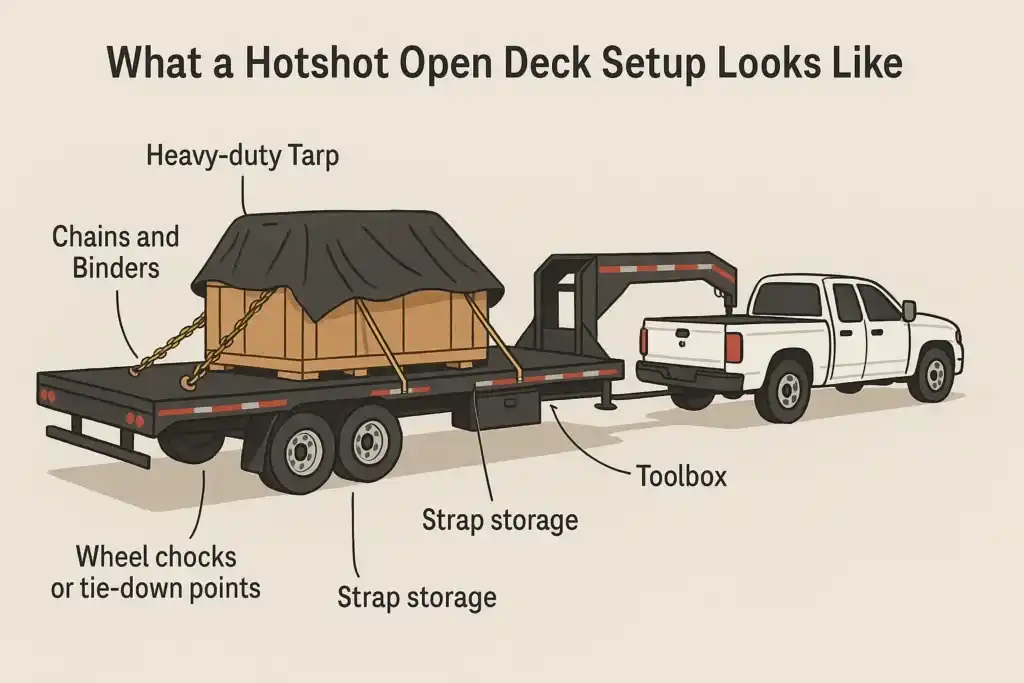
- Oversize and Specialty Freight: If you dream of hauling those giant propellers, industrial boilers, or mobile cranes – flatbed is the way (often with specialized trailer like lowboy). Hotshots are not typically used for truly oversized or super-heavy hauls; they simply can’t handle the weight, and the truck would be underpowered for something extremely large. However, hotshots do handle some niche specialty freight: for example, delivering a single oversized farm tractor that weighs under 16k but is 9 feet wide could be done on a hotshot with permits, especially for a short regional trip. Another niche is expedited freight – if a part absolutely must be somewhere overnight, a hotshot might be dispatched because it can be more cost-effective and faster to send a single truck with that part than to wait to fill a big trailer. Flatbed dispatch services often coordinate with industries like construction, manufacturing, energy, and infrastructure projects – these sectors drive flatbed demand. Hotshot demand also comes from similar sectors but for smaller-scale needs or remote locations where sending a big rig isn’t practical.
Key Takeaway: Choose hotshot if you want to focus on smaller, quick-turnaround loads – you’ll be doing more partials and multi-stop runs, and you must hustle to keep that trailer full. Choose flatbed if you want to haul the heavy and oversized freight that pays big – but be ready for physical work and complex planning (permits, escorts, etc.) for some loads.
Operational Differences (Speed, Distance, and Workflow)
From a day-to-day operations perspective, running a hotshot rig versus a flatbed semi can mean a different lifestyle and strategy:
- Trip Distance & Lanes: Hotshot truckers often stick to regional hauls or even local dedicated runs. It’s not that hotshots can’t go cross-country (they do), but the nature of freight and equipment lends itself to shorter runs. Many hotshot loads are under 500 miles so that they can be delivered within a day or next-day. This can mean more nights at home if you plan well – one reason some prefer hotshot trucking. Flatbed drivers, meanwhile, run over-the-road nationwide or long regional routes frequently. Flatbeds carry a lot of interstate freight – you might pick up a load of machinery in Texas and deliver it 1,200 miles away a few days later. There are regional flatbed runs too, but if you want to strictly stay local, a flatbed 18-wheeler might not get enough loads daily unless you have a dedicated contract. Hotshots can sometimes fill the niche of short-hop deliveries that big trucks avoid.
- Speed and Urgency:Hotshot dispatch operations pride themselves on speed. If a customer needs a load moved right now, a hotshot can often be mobilized faster than arranging a full truckload carrier. Hotshots can also drive slightly faster in some scenarios (for instance, a pickup truck might be allowed on parkways or smaller roads that semis are restricted from, potentially saving time on certain routes). The transit is often faster because the loads are lighter and the driver can manage tight schedules for urgent freight. Flatbed trucking can be fast for urgent loads too, but generally if something is ultra-critical and under 10k lbs, a hotshot is the go-to for expedience. A true flatbed dispatcher tends to deal with more standard delivery times (e.g. pick up Monday, deliver by Wednesday morning, etc.) unless it’s an emergency load.
- Routing and Accessibility: One advantage of hotshot setups is maneuverability. Driving a pickup and 40’ trailer, you can go places a 70’ long semi-truck might struggle. Tight urban streets, small job sites, rural roads – hotshots have an easier time. This means you can accept loads to locations without loading docks or where space is limited. Also, at some facilities, hotshots might get loaded faster (no need to back into a dock sometimes; a forklift can come up to your trailer easily). Flatbed semis require more careful route planning (avoiding low bridges, weight-restricted roads, etc.). Both types must adhere to truck routes and weigh station rules – remember, if you’re over 10k lbs, you generally must stop at weigh stations when open, even in a pickup truck. Hotshot drivers sometimes think they can sneak by weigh stations because they look like a regular pickup, but if you’re caught bypassing, the fines are hefty. Still, a hotshot rig can fit in smaller truck stops, smaller parking spots, and generally is a bit less of a headache to park than a big rig.
- Fuel Economy: When it comes to fuel, hotshot trucks usually get better mileage than semis, but not by as much as you’d hope. A diesel dually pulling a loaded trailer might get around 8–12 mpg. A loaded semi-truck might get around 5–8 mpg. So yes, you’ll burn less fuel with a hotshot, but you also haul far less cargo per trip. Fuel is a major cost for both. The recent diesel prices hurt both hotshot and flatbed operators’ bottom lines. Hotshot operators should leverage fuel cards and plan routes efficiently to save on costs – they can’t buy fuel in bulk discounts like large fleets, so every bit of efficiency helps.
- Maintenance and Durability: Here’s something many new hotshot drivers learn the hard way – running a pickup at max weight is tough on the truck. You’ll be doing oil changes, brake jobs, tire replacements, even transmission work more often than a casual pickup owner. The truck is working near its limits regularly. Semi-trucks, meanwhile, are designed for heavy continuous use – big diesels that go a million miles, tires made for long hauls, etc. Maintenance is still a big cost for flatbeds, but the intervals might be longer and the components more robust. For example, a hotshot might burn through a set of trailer tires quickly if overloaded or improperly inflated. A flatbed trailer with dual tires and stronger axles might handle road abuse better. Also, consider longevity: a well-maintained semi can run for decades, whereas a pickup truck might start showing serious wear after just a few years of hard hotshot runs. In operational terms, this means hotshot businesses should budget for faster equipment turnover or upgrades if they expand.
- Rates and Income Patterns: Generally, flatbed loads pay higher gross revenue since they’re bigger jobs – but you also have higher expenses. Hotshot loads pay less, but you might squeeze in multiple loads or charge a premium per mile for urgent runs. As of 2025, average spot market rates for flatbed loads were around $2.30 per mile, while hotshot loads averaged about $2.00 per mile (nationally). In certain hotshot-friendly lanes (like Texas or the Southeast), hotshots can get $2.30+ per mile, especially if hauling specialty or expedited freight. However, consistent high rates for hotshots can be elusive; the demand is more inconsistent. Many brokers and shippers see hotshot as a lower-cost option for light freight, so they often offer cheaper rates expecting that hotshot drivers will take them. Flatbed freight rates fluctuate with seasons and industry demand (e.g., a surge in construction can tighten flatbed capacity and push rates up). In a hot market, a flatbed truck can make great money; in a slow market, flatbed rates can sink, but a flatbed can still find loads that a hotshot couldn’t touch (like a 45k lbs load that someone has to move, even if for a bargain).
Operational Bottom Line: Hotshot trucking can offer more flexibility (shorter trips, possibly more home time) and lower costs day-to-day, but it requires hustling and smart dispatching to keep profitable. Flatbed trucking is a bigger commitment in every sense – you cover more distance, carry more risk and responsibility, but when done right, it can yield higher revenue streams. Managing either type efficiently is key – which is where working with a good dispatch service can make a huge difference in staying loaded with decent-paying freight.
Pros and Cons at a Glance
To help summarize, here are the major advantages and challenges of hotshot vs flatbed operations:
Advantages of Hotshot Dispatch:
- Lower Startup Cost: Getting a hotshot rig on the road costs much less than buying a tractor-trailer. You might already own a suitable pickup. This lowers the financial risk for new operators.
- No CDL Option: You can start hauling with a non CDL setup (under 26k lbs), which is great if you haven’t obtained a Class A CDL yet. It also means less regulatory compliance initially (no CDL medical, etc.), though again all other rules still apply.
- Fast and Flexible: Hotshots thrive on short notice and tight deadlines. You can often offer same-day or next-day delivery for urgent loads that need a quick response. Also, routing is easier in tight or remote areas as noted.
- Regional Lifestyle: Many hotshot truckers work within a few states and get home frequently. If work-life balance or sleeping in your own bed more often is a priority, hotshot can align with that goal.
- Market Niche: Hotshots fill a niche for loads that are too large for parcel delivery but too small or time-sensitive for standard freight. Being in this niche can mean less direct competition from big fleets on certain lanes.
Challenges of Hotshot Dispatch:
- Rate Pressure & Competition: The hotshot segment has grown popular, meaning lots of new entrants. Some shippers/brokers expect hotshot services to be cheaper, and the spot market can be very competitive (many hotshot drivers chasing few loads). During freight downturns, hotshot rates can get unsustainably low – you might see brokers offering less than $1.50/mile, hoping a desperate driver bites. Maintaining a profitable rate per mile takes effort and negotiation.
- Limited Load Opportunities: Simply put, you can’t haul the big money loads if they don’t fit your trailer or exceed your weight. This limits your ceiling. You might also experience more deadhead (empty miles) if there isn’t always a small load available out of the area you just delivered to. A flatbed has a better chance of finding something to haul anywhere, even if not great, because virtually any open-deck freight is an option.
- High Wear and Tear: As discussed, running a pickup at full tilt leads to frequent maintenance. Breakdowns can happen and a pickup truck dealer network might not be as geared toward immediate service for commercial needs as a semi truck service network. The cost per mile for maintenance can be on par with or higher than a semi when you factor in shorter component life.
- Scaling Up Issues: If you want to grow from one truck to a fleet, hotshot can be tricky. Finding drivers willing to do hotshot is sometimes harder than finding CDL drivers for semis (many professional drivers want the big rig). Also, many shippers prefer dealing with larger carriers for reliability, so a fleet of hotshots might hit a ceiling in the market. You could find yourself wanting to “graduate” to bigger trucks (this is a common story – hotshot operators eventually move into semi trucks when they can).
- Inconsistent Work: Hotshot freight can be feast-or-famine. One week you’re scrambling with too many load offers, next week you’re sitting empty for days. It often requires tapping multiple load boards, making cold calls to local companies, or using a pro hotshot dispatch service to find steady work.
Advantages of Flatbed Dispatch:
- High Earning Potential: With the ability to haul full truckloads of freight, a flatbed rig can gross much more on a single trip than a hotshot. Even though expenses are higher, the scalability of hauling 48k lbs means you can book lucrative loads. Oversize or specialized haul jobs can pay extremely well (sometimes thousands of dollars for a few hundred miles, depending on permits and complexity).
- More Freight Availability: There’s a vast amount of flatbed freight in the market at any given time – construction materials, industrial equipment, infrastructure components, etc. A well-networked flatbed dispatch service can usually keep you loaded. When one customer’s season is slow, another’s might be peaking (e.g., if housing construction is down, perhaps oilfield equipment is moving – flatbeds serve both).
- Industry Relationships: Running flatbed, you have the opportunity to build relationships with shippers for regular lanes. Many manufacturers or shippers have favorite carriers/dispatchers for flatbeds once trust is built. If you prove reliable with tarping, on-time delivery and no damage, you might secure dedicated runs (e.g., hauling for a local steel fabricator every week). This kind of stability is a big plus that hotshots might struggle to attain at the same scale.
- Capability and Versatility: Flatbeds can handle almost anything with the right trailer and permits. This versatility means your business can adjust to market demands. If lumber is slow, maybe you haul heavy machinery; if machinery is slow, maybe farm equipment, and so on. You’re not limited by size/weight as much. Also, as your business grows, adding a second truck/trailer doesn’t necessarily double your overhead the way adding multiple hotshots might – one good flatbed truck could potentially earn what two or three hotshots do together in certain markets.
- Professional Development: Being a flatbed operator means you’re at the top license level (CDL-A) and skillset. You’ll gain extensive experience in heavy-load securement, routing, and regulatory compliance. This can open doors to other opportunities too (like specialized heavy haul, equipment operator, etc.). In short, you’re a professional trucker, and there’s a pride and demand that comes with that.
Challenges of Flatbed Dispatch:
- High Startup and Operating Costs: There’s no way around it – getting into flatbed trucking costs a lot. Quality used trucks can run tens of thousands of dollars, new trucks well over $150k. Trailers are expensive too. Insurance for a new entrant with a tractor-trailer can be very high. Fuel, as noted, is consumed in large quantities. Tire replacements, brake jobs on a tractor-trailer, etc., are all big-ticket maintenance. You need sufficient cash flow or financing to handle this; otherwise one breakdown can bankrupt a new owner-op. Some folks start hotshot because they can’t yet afford a semi – that’s a valid path.
- Regulatory Burden: Holding a CDL-A means you’re under stricter requirements (medical exams, drug/alcohol testing programs, etc.). Flatbed carriers undergo DOT audits, have to maintain safety scores, and so forth. While any commercial operation must follow rules, the bigger you are, the more you’re on the radar. It’s not necessarily a “con” (since safety compliance is good business), but it’s more to manage, especially for a one-truck operation learning the ropes.
- Physical Demands: Flatbed trucking is hard work. Tarping a load in the summer heat or winter wind is no joke. Securing a 45,000 lb load with heavy chains can be backbreaking if you’re not careful. The job can be very physical compared to van/reefer driving. Hotshot work is also physical, but dealing with truly heavy pieces on a flatbed ups the ante. Injury risk (falls from trailer, strains, etc.) is something to be mindful of. Not every driver’s body can handle years of flatbed labor, so take that into account.
- Downtime Risks: When flatbed freight is booming, you’ll run hard and profit. When it slumps, you might face significant idle time or deadhead miles to find better markets. Flatbed is known to have seasonal swings (spring and summer usually busier; winter can be slower in many regions due to construction off-season). You have to plan for the lean times – financially and in your dispatch strategy (perhaps by diversifying freight type or regions through the year).
- Competition and Experience Curve: Just as hotshot has many newcomers, flatbed has plenty of established players. Competing with experienced carriers means you need to offer excellent service. There is also a learning curve to flatbed operations – you must know your trailer limits, how to axle-weight your loads properly, how to secure unusual freight, and navigate permit regulations for oversize. Mistakes can be costly (improper securement leading to a spill, or a permit oversight leading to fines). It pays to possibly partner with a flatbed dispatch service or mentor when starting out, to avoid these pitfalls.
As you can see, both hotshot and flatbed trucking have compelling upsides and significant challenges. The “better” option truly depends on your situation and goals.
Choosing the Right Option for Your Business
When deciding between hotshot and flatbed, consider the following factors in your personal situation:
1. Your Current Experience and CDL Status: Are you already a CDL-A holder with flatbed experience? If yes, jumping into a flatbed operation might be straightforward for you. If you’re new and unlicensed, starting hotshot could be a stepping stone. Many drivers use hotshot trucking as a way to gain experience while working toward a CDL. That said, if you’re serious about trucking as a career, getting your Class A CDL is highly recommended even if you run hotshots – it gives you flexibility to grow and legally haul heavier loads when the opportunity arises.
2. Budget and Financial Risk: How much can you invest or afford to finance? If funds are very tight, a hotshot setup is the less risky route initially. You can find a good used pickup and trailer for a fraction of the cost of a semi rig. Build up capital, then possibly scale. If you have the capital or backing and a solid business plan (perhaps even a contract lined up), a flatbed truck will generally earn more and could pay off the investment quicker – but the risk if things go wrong is higher. Always have a maintenance reserve and insurance buffer for either case. Remember that a single major repair on a semi (engine overhaul, etc.) can be $20k+. A major pickup engine repair might be $10k. Plan accordingly.
3. Freight Opportunities in Your Area: Take a look at the kind of freight that’s common in your region. Are you in an oil and gas region like West Texas or North Dakota? There’s a lot of hotshot work with oilfield equipment and supplies, and hotshots are always in demand for energy companies. Or maybe you’re in the Southeast where building materials and small construction equipment moves often – hotshots and flatbeds both do well there. If you’re in an area with heavy industry or ports (e.g., near Houston or Mobile), flatbed loads (including oversize) could be plentiful. Use load boards and talk to local businesses to gauge demand. If flatbed loads are common and pay well near you, it might justify starting with a flatbed truck. If not, you might begin hotshot to be able to bounce around more flexibly until you find your lane.
4. Type of Work You Prefer: Some drivers love the physical, all-in nature of flatbedding – they take pride in securing a challenging load and seeing a big project move because of their haul. Others might prefer the somewhat lighter nature of hotshot work or the more frequent change of scenery it can bring. Think about your comfort with things like tarping 13-foot-high loads, or driving a full-size tractor-trailer in city traffic. It’s also about lifestyle: hotshot you might be your own boss handling many small clients; flatbed you might be leased to a carrier or working with bigger brokers for full loads. The business model can differ too (hotshot often spot-market and ad-hoc jobs; flatbed could include contract freight or working under a bigger carrier as an independent).
5. Growth Plans: If you plan to eventually operate multiple trucks or hire drivers, consider which model scales for you. A fleet of hotshots can work, but managing several small loads and dispatching each truck efficiently might get complex – you may then need a dedicated dispatcher or in-house dispatcher sooner. With flatbeds, a small fleet of 2–3 trucks could focus on higher-volume contracts and maybe even dedicate to specific shippers. Also, good CDL drivers might be easier to recruit if you have decent equipment, vs. convincing someone to drive your one-ton truck (many hotshot business owners end up driving themselves, whereas flatbed owners sometimes move to an office role managing drivers).
6. Risk Tolerance: Flatbed trucking has higher liability in some respects – the loads are heavier (accidents can be more severe), and oversize loads carry more risk (e.g., hitting a bridge if routed wrong). Insurance claims can be big. Hotshot accidents are dangerous too, but generally, a pickup truck with a 10k load causes less mayhem than a tractor-trailer with 45k load. If you are extremely risk-averse, you might feel more comfortable starting with hotshot to learn the ropes of commercial driving on a smaller scale. Conversely, if you have a meticulous safety mindset and confidence in handling big equipment, flatbed’s risks can be managed and mitigated with proper training and precautions.
Ultimately, there’s no one-size-fits-all answer. A small company might even operate both: a hotshot for certain clients and a flatbed for others, leveraging the best of each. What matters is understanding these differences and aligning them with your business goals.
How a Dispatch Service Can Boost Your Success
Whether you choose hotshot or flatbed, one thing is certain – having consistent, well-paying loads is crucial. This is where partnering with a quality dispatch service can make a world of difference.
A professional dispatch service (like Dispatch Republic’s hotshot and flatbed dispatch service) helps owner-operators in several ways:
- Load Sourcing: Instead of juggling multiple load boards and refreshing apps while you should be driving or resting, your dispatcher will comb through the options to find loads that fit your equipment and desired lanes. This is especially useful for hotshot drivers who often need to piece together multiple smaller loads; a dispatcher can help coordinate those so you maximize your trailer space and avoid deadhead. For flatbed operators, a dispatcher can tap into a network of brokers and customers needing open-deck trucks – often finding you freight you might not easily find on public boards.
- Rate Negotiation: Experienced dispatchers know the market rates and how to negotiate with brokers. They can often secure better per-mile rates or extra fees (for tarping, detention, etc.) on your behalf. For instance, if a broker is offering a hotshot load at a low rate, a good dispatcher will advocate for you, highlighting your service and safety record to justify higher pay. The same goes for flatbed loads – if it’s oversize with extra hassles, your dispatcher will ensure the rate reflects that. Over time, these small bumps in rate add up significantly to your bottom line.
- Paperwork and Compliance: Both hotshot and flatbed trucking involve a fair share of paperwork – contracts, rate confirmations, permits for oversize, insurance certificates, invoices, etc. A dispatch service can handle a lot of this admin work. For oversize flatbed loads, for example, flatbed dispatch service teams often assist with route planning and coordinating state permits (since oversize permits are issued per state). They’ll also keep your credentials (like MC/DOT numbers, insurance, load boards accounts) organized and up to date. This back-office support means you spend more time driving and less on the phone or computer handling paperwork.
- Flexible Load Choices: When you work with a dispatch service, you still have the final say in what loads to take. A good dispatcher will present you with options that meet your criteria (e.g., minimum $/mile, preferred states, home on weekends, etc.). There is no forced dispatch – you can decline loads that don’t suit you. This is important for owner-operators who value their independence. Essentially, the dispatcher is an extension of your team working to keep your truck moving profitably, but you’re still in control of your business.
- Market Insights and Support: Dispatch companies often have insight into market trends. They might warn you that flatbed demand in the Midwest is slowing and suggest moving your truck to the Southeast for a bit where construction is booming. Or they might inform hotshot clients that a big trade show or seasonal rush is happening in a certain area, creating hotshot opportunities. This kind of intelligence can help you plan ahead rather than just react. Additionally, having someone to call 24/7 if a problem arises (like a truck breakdown or a load cancellation) is reassuring – your dispatcher can help communicate with brokers, reschedule deliveries, or find replacement loads as needed. It’s like having a business partner focused on the logistics while you focus on safe driving and on-time delivery.
In the end, maximizing profits in both hotshot dispatch and flatbed dispatch comes down to efficient operations and strong logistics support. If you’re an owner-operator trying to wear all the hats (driver, dispatcher, accountant, compliance manager), you can easily burn out or miss opportunities. That’s why many savvy drivers use dispatch services to level up their business.
At Dispatch Republic, for example, we specialize in both hotshot and flatbed/step deck dispatching. We understand the nuances of each – from matching a hotshot rig with multi-drop loads that avoid deadhead, to handling permitting and securement advice for an oversized flatbed haul. Our goal is to keep you doing what you do best (driving and hauling) while we handle the rest.
(Consider reaching out if you’re looking to boost your trucking business – we’re here 24/7 to help owner-operators succeed.) 👍
Conclusion
Choosing between hotshot and flatbed trucking comes down to aligning with your business goals, resources, and personal preferences. Hotshot dispatch specifications offer a lower-cost entry and nimble niche for fast, smaller-load transport – perfect for the entrepreneurial driver who values flexibility and quick turns. Flatbed dispatch operations, meanwhile, let you haul the big loads and potentially earn more on fewer runs – ideal for those ready to invest in the long haul and take on the heavy-duty challenges.
Both paths can lead to a profitable, independent trucking business if managed well. There’s no outright winner in the “hotshot vs flatbed” debate – the better choice is the one that fits your equipment, region, and strategy. Some owner-operators even transition from hotshot to flatbed over time, once they’ve gained experience and capital.
Whatever you decide, remember that success in trucking – hotshot or flatbed – is fueled by smart decisions on loads and routes. Leveraging a reliable dispatch service can give you a competitive edge in both arenas. Instead of worrying about finding the next load, you can focus on safe driving and customer service while your dispatcher keeps your schedule full.
Call to Action:Ready to make the most of your hotshot or flatbed business? 🚚💨 Reach out to Dispatch Republic and let our experts help maximize your earnings with tailored hotshot dispatch service and flatbed dispatch service solutions. We’ll handle the logistics while you keep on truckin’. Contact us today to get started on the road to greater profits and less hassle!
For more detailed guides, check Dispatch Republic’s resources on dispatching and the trucking business. Read ELD compliance: What Dispatchers Need to Know About Electronic Logs if you’re weighing career paths, and How to Become a Truck Dispatcher to understand the dispatch side of the business.
If you’re an owner-operator juggling multiple responsibilities, consider partnering with a professional truck dispatch service to take the load off your shoulders—literally. At Dispatch Republic, we specialize in helping carriers run smarter and earn more by expertly managing load boards, negotiating top rates, and handling paperwork for dry vans, reefers, flatbeds, box trucks, step decks, and even hotshots. Our team monitors multiple premium load boards around the clock, ensuring your truck stays loaded with the right freight, at the right rate, on the right lane. Whether you’re scaling up or just getting started, having a dedicated dispatch team in your corner means fewer empty miles, less stress, and more time to focus on driving and growing your business.
Frequently Asked Questions
Hotshot dispatch refers to coordinating loads for hotshot trucks – typically pickups with gooseneck trailers – focusing on smaller, time-sensitive freight. Flatbed dispatch involves finding and managing loads for standard flatbed semi-trucks (18-wheelers) which haul larger, heavier freight. The main differences are in the equipment and freight size: hotshot operations handle lighter, quick-turnaround loads, while flatbed operations handle full truckloads including oversize items. Both require dispatching expertise to keep the trucks loaded, but hotshot dispatch might juggle multiple smaller loads and shorter routes, whereas flatbed dispatch deals with bigger single loads and often longer hauls.
It depends on the weight. You do not need a CDL for a hotshot setup if the combined Gross Vehicle Weight Rating (GVWR) of your truck and trailer is 26,000 lbs or less. This is commonly called a “non-CDL hotshot.” However, if your combined GVWR is 26,001 lbs or more (or if you haul hazardous materials requiring placards), a Class A CDL is required. Many hotshot operators start without a CDL by using, say, a 12,000 lb GVWR truck with a 14,000 lb trailer (total 26k). Keep in mind, even as a non-CDL hotshot you must follow all other DOT regulations (USDOT number, logs, insurance, etc.). And if your hotshot business grows, getting your CDL can be worthwhile because it lets you haul heavier loads and be seen as more credible for certain loads.
Profitability can vary, but generally a well-run flatbed operation has higher earning potential per trip because it can haul much larger loads. A flatbed truck can gross a few thousand dollars on a single full load, whereas a hotshot might gross a few hundred to maybe a thousand on a single load (since it’s smaller). That said, hotshot trucking can be profitable too – especially if you find a niche or offer specialized expedited service that commands a premium. Hotshots have lower expenses, which helps their profit margin on lower revenue. Flatbeds have higher expenses but access to more freight and higher rates. In 2025, average flatbed spot rates were around $2.50/mile, while hotshot rates averaged around $2.00/mile nationally, though top hotshot lanes and urgent loads can pay $2.50+. Ultimately, your profit will depend on how efficiently you run: minimize deadhead, negotiate good rates, and manage costs. Some solo hotshot owner-operators make as much take-home as some flatbed drivers because of lean operations, but as a business, flatbed scaling can lead to higher total profits if you can capitalize on the bigger loads.
Not usually. A hotshot rig has limits in size and weight. Hotshot trailers can typically haul up to around 10,000–16,000 lbs of cargo (depending on the equipment and CDL status), and the deck space might be 30–40 feet. A standard flatbed 18-wheeler can haul about 45,000+ lbs of cargo and has a 48–53 foot deck. So any very heavy or large volume shipments will require a flatbed. For example, a full load of steel pipes or a big piece of construction machinery will exceed a hotshot’s capacity. However, there is some overlap: If the freight is, say, a small tractor, a pallet of machinery parts, or a single vehicle – both a hotshot and a flatbed could haul it. In those cases, the shipper might choose based on urgency and cost. Hotshot trucks are great for smaller loads that need faster delivery, even if a flatbed truck could physically haul it. But if freight volume or weight is near a flatbed’s capability, they’ll use a flatbed. Think of hotshots as handling what flatbeds don’t – small lot LTL freight, last-minute hauls, or runs to places a big truck might not easily go.
For a non-CDL hotshot, the magic number is 26,000 lbs gross weight (truck + trailer + load). To clarify, if you’re running without a CDL, the combined GVWR of your truck and trailer must be 26,000 or less. Practically, that means the actual cargo you can carry might be much less once you account for the weight of the truck and trailer themselves. For example, if your dually truck weighs 9,000 lbs empty and your gooseneck trailer weighs 7,000 lbs, that’s 16k of your gross right there. Remaining capacity for cargo would be 10,000 lbs in that scenario before hitting 26k total. It’s crucial not to exceed either the 26k combined or any individual axle/tire ratings. If you do need to haul more than 26k gross, you must get a CDL and ensure your equipment is rated for the heavier weights. Always scale your hotshot at a truck stop if unsure – overweight fines (or out-of-service orders) can ruin your day.
A dispatch service acts like your personal freight manager. They scour load boards, broker feeds, and industry contacts to find loads that match your equipment and preferences. For hotshot drivers, dispatchers can find multiple partial loads going along a similar route to help fill your trailer (since running half-empty will hurt your profitability). They can also quickly locate backhauls for you, so you’re not coming home empty. For flatbed drivers, a dispatcher might alert you to high-paying loads (like an oversize piece that popped up) or negotiate a better rate for a tarped load. Dispatchers also handle communications – they’ll book the load, send you the rate confirmation, and often can handle check calls or updates with the broker while you drive. Essentially, they take the tedious and time-consuming task of finding freight off your plate. This is especially helpful if you’re new or don’t have direct shipper connections yet. Dispatch services also assist with scheduling, so you’re not double-booked. They keep an eye on your Hours-of-Service limits to schedule pickups and deliveries you can legally and safely meet. By using a dispatcher, many owner-operators manage to consistently stay loaded and spend less time parked, which directly translates to higher earnings.
Yes, absolutely. Flatbed (or step-deck/RGN dispatch) is geared towards handling oversize and overweight loads, whereas hotshot generally is not, because hotshot equipment has physical and legal limits that restrict oversize hauling. Flatbed dispatchers are experienced in the extra steps required for oversize freight – obtaining state permits, coordinating pilot cars if needed, choosing routes that avoid low bridges or weight-restricted roads, and scheduling deliveries within permit travel windows (many states restrict oversize moves to daylight hours, weekdays, etc.). They also know how to properly allocate trailer types – for example, if a load is over 10 feet tall, a good flatbed dispatcher will put that on a low-profile step-deck or RGN trailer, not a standard flatbed, to avoid height issues. Hotshot trucks might take on slightly oversize loads occasionally (like something 9 feet wide on a back road for a short distance with permits), but anything truly oversize is safer and more efficient on a full-size truck. In summary, if oversize/heavy haul is your target market, go with flatbed/step-deck equipment and a dispatch service knowledgeable in that arena. Hotshot dispatch will focus on legal-size loads that fit within the hotshot’s capacity.
Ready to Take Your Trucking Career to the Next Level?
Whether you’re an owner-operator, a company driver, or a carrier company in need of truck dispatch services, Dispatch Republic is here to help. Our teamof experienced truck dispatchers offers affordable, professional truck dispatch solutions designed to save you time, increase your earnings, and make your business more efficient.
Thinking about outsourcing your truck dispatching? Contact Dispatch Republictoday and move smarter, not harder.
Found our Blog useful? Spread the word:
Check our latest posts:
[latest_posts_grid]
Contact us today to see how our team can support your trucking business.