Table of contents
- What Is a TWIC Card and Why Do Truck Drivers Need It?
- TWIC Card Eligibility and Requirements
- Step-by-Step Guide: TWIC Card Application Process
- TWIC Card Application Fees and Validity
- After You Get the TWIC Card: Using It and Keeping It Valid
- TWIC Card Renewal and Replacement
- Tips for a Smooth TWIC Card Application
- Dispatch Republic Offers Free TWIC Application Guidance
- Frequently Asked Questions
How to Apply for a TWIC Card
Imagine arriving at a busy port to haul a valuable load, only to be turned away because you lack a specific ID card. For many truckers, this scenario is all too real if they don’t have a TWIC card. The Transportation Worker Identification Credential (TWIC) is a special security ID regulated by the TSA that lets truck drivers and other workers enter secure maritime facilities (like ports, container terminals, refineries, etc.) without an escort. In simple terms, a TWIC card is your ticket to unescorted port access – a crucial asset if you want those high-paying port and tanker loads. In this guide, we’ll explain how to apply for a TWIC card from start to finish. We’ll break down the TWIC card application process, eligibility criteria, documents needed, fees, and real-world tips so you can get your TWIC smoothly. The language is simple and practical, perfect for busy truck drivers (even if English isn’t your first language). By the end, you’ll know exactly what steps to take and how to avoid common pitfalls during your TWIC card application. (Bonus: Dispatch Republic offers free guidance to drivers on the TWIC card application process – more on that later!)
What Is a TWIC Card and Why Do Truck Drivers Need It?
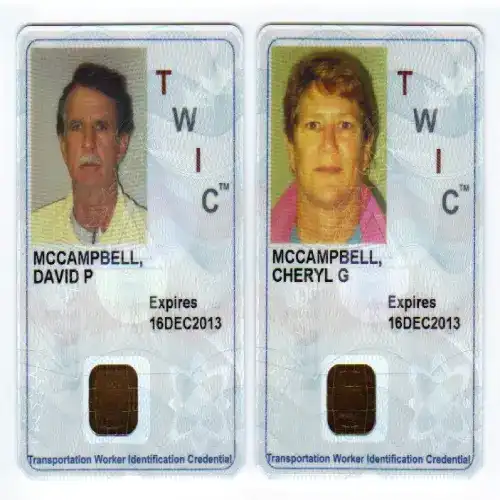
A TWIC card is a federally issued identification credential for transportation workers. It was created after 9/11 as part of the Maritime Transportation Security Act to strengthen port security. The card confirms you’ve passed a TSA security threat assessment (basically a TSA background check) and have clearance to enter secure maritime areas. For truck drivers, a TWIC card is one of the most important truck driver credentials if you haul loads in and out of ports or other high-security facilities. Having a TWIC means you can drive into ports, container yards, and refineries independently, whereas without one you’d typically need to hire an authorized escort to accompany you. Most major ports require drivers without TWIC cards to pay for escorts – which can cost up to $100 per hour at some ports – or you may simply be denied entry, causing you to miss out on work. In short, if your trucking work ever involves ports or intermodal yards, you need a TWIC card to avoid hassle and unlock better loads.
Who exactly needs a TWIC? Any worker (not just truckers) who needs unescorted access to secure maritime facilities must have a TWIC. This includes port truck drivers (drayage drivers), longshoremen, certain warehouse and rail workers at port facilities, and maritime crew. As a truck driver, if you plan on picking up or delivering loads at ocean ports, marine terminals, or even some chemical plants and military bases, a TWIC is essential. If you never go near ports or restricted facilities, you might not need one. But many drivers get it proactively to broaden their opportunities – it’s better to have it in case a lucrative load to the port comes up. Brokers and dispatchers also prefer drivers with TWIC because it means you have TSA security clearance and can take loads to sensitive sites. In fact, having a TWIC card often makes you more employable, since you can handle specialized freight that others can’t.
Real Scenario: A port trucking company shared that before their drivers got TWIC cards, they had to pay escorts and deal with delays at the port gate. Now their TWIC-holding drivers breeze through entry. Not only do they save the ~$100 escort fee, they also grab higher-paying container loads that require TWIC. Over time, the TWIC credential boosted their income and credibility.
TWIC Card Eligibility and Requirements
Before diving into how to apply for a TWIC card, make sure you meet the TWIC card eligibility criteria. The TSA’s rules for TWIC eligibility are straightforward:
- Age and Status: You must be at least 18 years old and a U.S. citizen, U.S. national, or fall into certain immigration categories in lawful status (lawful permanent resident, naturalized citizen, or specific visa holder, asylee, refugee). Essentially, you need valid government-issued ID and legal presence in the U.S. to even start a TWIC card application.
- Background Check: You cannot have disqualifying criminal convictions or terrorism/security connections in your history. When you submit a TWIC card application, the TSA will run a thorough background check (called a Security Threat Assessment) including FBI criminal records, terrorism watchlists, and immigration status. Certain crimes will disqualify you from getting a TWIC card. These include espionage, treason, terrorism, murder, and similar serious offenses which lead to permanent disqualification. Other felonies like firearms violations, fraud, smuggling, extortion, kidnapping, rape, or drug distribution can be temporary disqualifiers – generally, felonies in the last 7 years or if you were released from prison in the last 5 years may bar you until more time passes. Additionally, if you’re currently wanted or under indictment, you will be ineligible until that’s resolved. (See TSA’s full list of disqualifying offenses for details.) The good news is minor offenses (e.g. a single DUI or older, non-violent felonies) typically do not automatically disqualify you– TSA evaluates the severity and recency of any record. Many truckers with past mistakes still get approved as long as their crimes aren’t on the serious list and they’re honest on the application.
- Honesty on Application: Ensure all information you provide is true and complete. False statements or incomplete applications can get you disqualified or at least delayed. For example, don’t omit a past name or address – TSA will find out during the security check. It’s better to disclose everything upfront.
If you meet these basic TWIC card eligibility points, you’re ready to begin the TWIC card application process. Even if you have a criminal record, if it’s not among the disqualifying crimes, you can still apply (you might need to provide extra info if TSA asks). In cases of denial, TSA does allow an appeal or waiver process – but that can be time-consuming. So the priority is to apply only if you’re fairly sure you qualify, to save yourself time and the non-refundable fee.
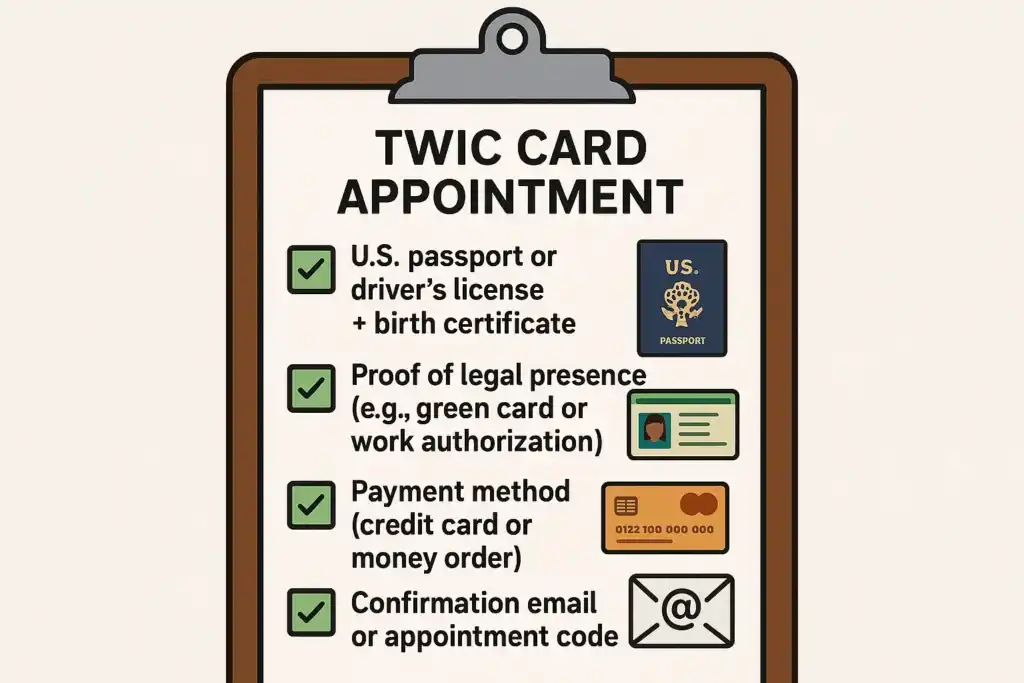
Documents Needed: To apply for a TWIC card, you’ll need proper identification documents. At minimum, you must show proof of identity and proof of U.S. citizenship or immigration status. Common acceptable documents include a U.S. passport (which covers both ID and citizenship), or a state-issued driver’s license + birth certificate combination. A Permanent Resident (Green) Card or naturalization certificate works too. TSA has an approved list of documents – other examples are a military ID, enhanced driver’s license, or certain immigration documents. If you use two documents, at least one must be a government-issued photo ID (like a driver’s license). Make sure the name on your IDs matches exactly (if you recently changed your name, bring legal proof of the name change). Having all required documents ready will make your TWIC card application much smoother. We’ll cover this again in the step-by-step guide below.
Pro Tip: If you already hold certain other credentials like a Hazardous Materials Endorsement (HME) on your CDL or a FAST card (Free and Secure Trade card for cross-border trucking), bring proof of that when you apply. Why? Because TSA considers it a comparable security threat assessment – you’ve essentially already been background-checked for HazMat or FAST. This makes you eligible for a reduced TWIC application feeand your TWIC processing might go faster. We’ll detail the fees later, but for example, a trucker with a valid HazMat endorsement pays a lower fee (~$93 instead of $124) for the TWIC card. It’s a nice discount for having done a prior TSA security clearance. So, if applicable, carry your current HazMat-endorsed CDL or FAST card to the enrollment center.
Step-by-Step Guide: TWIC Card Application Process
Now let’s walk through how to apply for a TWIC card step by step. The TWIC card application process is straightforward, but there are several stages to complete. Here’s what you need to do:
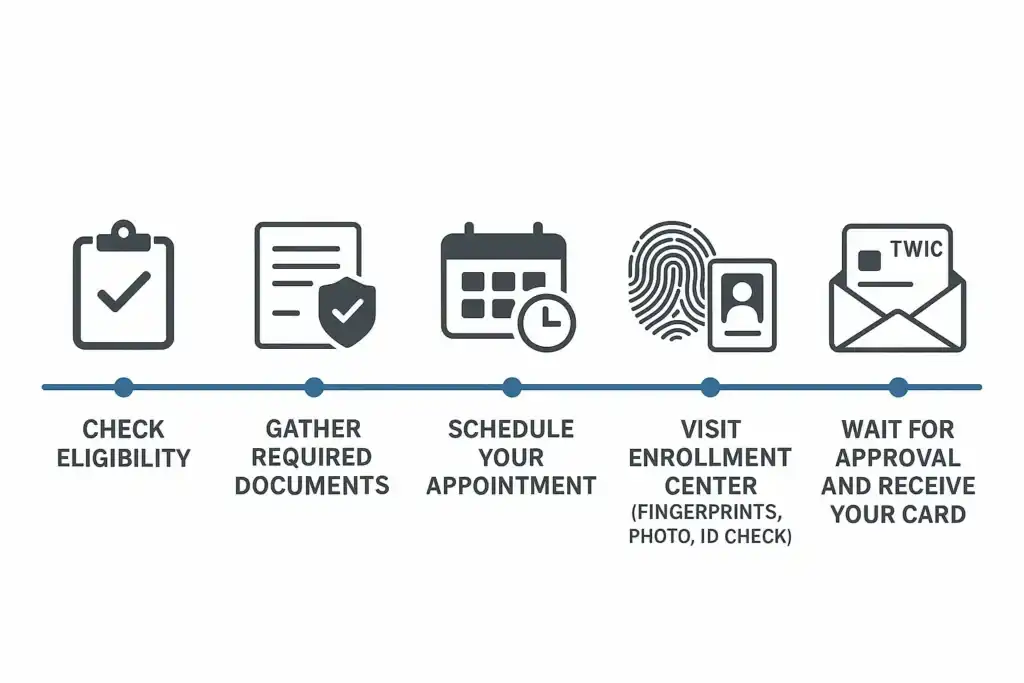
1. Pre-Enrollment (Optional, but Recommended): You can start your TWIC card application online via the TSA’s enrollment website. This online pre-enrollment lets you enter all your personal information in advance (name, address, etc.) and select an appointment time and location for the in-person part. It’s not mandatory to pre-enroll, but it saves you time at the enrollment center because you won’t have to fill out paper forms there. To do this, visit the official TSA TWIC page and click “Apply Online” or “Start TWIC Application”. It takes about 10-15 minutes to complete the online form. You’ll provide basic info, answer background questions (like criminal history), and you can also choose your TWIC appointment location and time. If you prefer, you can skip this online step and just do a walk-in, but appointments get priority at centers. Our advice: take advantage of the online pre-enroll to streamline your TWIC card application.
2. Schedule an Appointment: Whether you pre-enrolled or not, it’s best to schedule a TWIC enrollment appointment. You can do this online during pre-enrollment or by calling the TWIC program at (855) 347-8371 (8am-10pm Eastern, weekdays). There are hundreds of TWIC enrollment centers nationwide – often found in or near port cities, and sometimes in TSA offices or even Staples stores. Choose a location that’s convenient (the TSA’s site has a locator tool). While walk-ins are accepted at many centers, people with appointments are taken first. So to avoid waiting in line or risking multiple trips, get that appointment set. Appointments are usually available within a few days or a week at most locations. You’ll receive a confirmation with the date, time, and address. Tip: Try to schedule for a time you can definitely make – rescheduling last minute can sometimes push you out by days. If you absolutely can’t get an appointment in a reasonable time, you can walk in, but go early in the day and expect some wait.
3. Gather Your Documents: Before the appointment day, gather all required documents for your TWIC card application. As mentioned in the eligibility section, you’ll need proper ID and proof of citizenship/immigration status. For most truckers, the simplest set is your state driver’s license and your birth certificate (an original or certified copy). If you have a passport, you can just bring that as a single document (since it proves identity and citizenship). Non-U.S. citizens should bring their Green Card or Employment Authorization card and any supporting documents (like I-94, visa, or asylum/refugee papers). Also bring your HazMat endorsement proof or FAST card if you have one, to qualify for the fee reduction. It’s a good idea to throw the documents in a folder the night before so you don’t forget them. One more thing: make sure the name on all documents is the same. If not (e.g., recently married and license and birth certificate have different last names), bring a marriage certificate or legal name change document. Having all this ready will ensure your TWIC appointment process goes without a hitch.
4. Attend the In-Person Enrollment Appointment: This is the key step in how to apply for a TWIC card – the in-person visit. Arrive on time (or a few minutes early) to the enrollment center. When you check in, a representative will guide you through the process. Here’s what happens at the appointment:
- Document Verification: You will present your IDs/documents. The agent will verify your identity and citizenship status. They’ll scan or input your document information into the system.
- Fingerprinting: The TSA agent will take your fingerprints electronically. All ten fingerprints are captured; this biometric data is embedded in your TWIC card’s chip for verification at high-security gates.
- Photo: They will also take a digital photo of you on the spot for the TWIC card. This photo will appear on your TWIC ID, so treat it like a driver’s license photo (no hats or sunglasses; you’ll stand against a neutral background).
- Application Review: If you pre-enrolled online, the agent will have your digital application – you’ll just verify that all info is correct and answer any remaining questions. If you didn’t pre-enroll, you’ll fill out the application on a computer or tablet at the center with the agent’s help.
- Fee Payment: Next, you must pay the TWIC card application fee. The fee is non-refundable and covers the background check and the card itself (valid for 5 years). As of the latest update, the TWIC card cost for a new applicant is $124.00 for five years. If you present a qualifying HazMat endorsement or FAST credential, the fee is reduced to $93.00. Payment can be made via credit/debit card, money order, company check, or certified/cashier’s check (no cash). Many drivers simply use a credit card for convenience. Make sure you get a receipt.
- Choose Delivery Method: You have two options for receiving your TWIC card once it’s approved – mail or pickup. Most applicants choose to have the card mailed to their home address (it comes in a plain envelope in about a week or two). Alternatively, you can request to pick it up at the enrollment center, but you’ll have to return once it’s ready. Mailing is easier for most, unless you live far from a secure mailbox.
- Sign and Finish: You’ll sign an electronic acknowledgment and that’s it – your in-person enrollment is done. The whole TWIC appointment process is usually pretty quick, often 10-15 minutes if there’s no line. The agent will remind you that the application will now go through a background check by TSA.
5. Background Check & Application Processing: After your appointment, TSA conducts the security threat assessment in the background. You don’t have to do anything during this phase except wait. The agency will check your fingerprints against the FBI database, review your criminal history, check terrorist watch lists, and verify immigration status. For most applicants with a clean record, this is routine and automated. How long does it take to get approved? Typically, about 7-10 business days after your appointment many drivers receive an email or notification that they’ve been approved and the TWIC card is being mailed. In fact, many report getting the physical card in hand in under 2 weeks. However, times can vary. TSA officially notes that due to high demand, processing times for some applicants may exceed 45 days. Complex cases (e.g. if you have something that needs review or you’re a match to a record that needs manual clearing) could take up to 60 days in rare instances. The safest approach is to apply at least 4-8 weeks before you actually need the TWIC card for work. That way even if there’s a delay, you won’t miss out on jobs. You can check your application status online anytime on the TSA Universal Enrollment website using your application ID. TSA may also send you email updates, and as of 2025 you can opt-in for text alerts that give real-time status updates on your TWIC card application – a nice new feature to keep you informed.
6. Receive Your TWIC Card: Once approved, TSA will produce your TWIC ID card and send it out. If you chose mail, it will come directly to the address you provided, typically via USPS in a plain envelope (keep an eye on your mail). If you opted to pick up, the center will notify you when it’s ready for pickup. When you get the card, follow any included instructions. In the past, some cards required activation with a PIN at a center, but nowadays mailed TWIC cards are generally ready to use upon receipt. Your TWIC card will have your photo, name, expiration date, and a microchip. Sign the back of the card if there’s a signature strip. Make sure all info (name spelling, etc.) is correct. If there’s an error, contact the TWIC help line immediately. Otherwise, you’re all set – you now have your TWIC card, valid for 5 years.
7. Carry and Use Your TWIC Card: Now that you’ve completed the how to apply for a TWIC card process and have your card, remember to carry it with you whenever you plan to enter a port or secure facility. At port entry gates, you’ll typically present the TWIC card to security. The guard may swipe it or scan it with a reader, and compare your face to the photo. Some ports just do a visual check, while others use electronic card readers that verify the chip and may ask for a PIN or fingerprint verification. Always follow the facility’s procedures. Important:Never loan your TWIC card or let someone else use it. It’s illegal and defeats the purpose of security. Also, keep it safe – treat it like your driver’s license or credit card. If it gets lost or stolen, report it and you’ll have to pay $60 for a replacement (we’ll discuss replacements in a moment).
By following these steps, you’ve learned how to apply for a TWIC card in a clear, step-by-step way. Next, let’s go over the costs in detail and some post-application pointers like what to do after you get the card, how to renew it, etc.
TWIC Card Application Fees and Validity
Applying for a TWIC card isn’t free, so let’s break down the TWIC card cost and what it covers. As of the latest fee schedule (updated 2025), here are the TWIC application fees you can expect:
- New TWIC Card (Standard):$124.00 – This is the fee for a first-time TWIC card application (or if you don’t have any other qualifying clearance). It covers the background check and the credential itself, which is valid for five years.
- New TWIC Card (Reduced Rate):$93.00 – If you present a comparable security threat assessment credential, you pay a lower fee. “Comparable” means you have already completed a TSA background check for something else. The most common are a HazMat endorsement on your CDL or a FAST card (for cross-border trucking). TSA will verify these, and if eligible, knock the fee down. (Note: the reduced TWIC will expire on the same date as that other credential used for comparison, up to 5 years. For example, if your HazMat’s background check was done 2 years ago, your TWIC might be valid ~3 years to sync with the 5-year cycle. Keep this in mind.)
- TWIC Renewal (In-Person):$124.00 – Renewing a TWIC card in person costs the same as a new application. That’s because TSA essentially does the same background check again for a renewal.
- TWIC Renewal (Online):$116.00 – As a slight incentive, TSA offers a discount for online renewal. If you qualify to renew your TWIC card online (more on that later), you pay a bit less. Online renewal is convenient and cheaper by a few dollars.
- Replacement Card:$60.00 – If your TWIC card is lost, stolen, or damaged, the fee for a replacement card is $60. Replacement does not extend the expiration; it just reissues the card for the remainder of your term (or three years if you get an Extended Expiration replacement, in some cases). You’ll need to go in person to get a replacement (fingerprints may be required again for identity verification).
These fees are set by TSA and include all processing costs (fingerprints, background checks, card printing). Payment is done at the enrollment center as described. All fees are non-refundable, even if you’re denied – so again, be sure you meet the TWIC card eligibility criteria before applying, to avoid losing the fee on a denied application.
Your TWIC card will be valid for 5 years from the issue date (unless it’s a reduced-rate card tied to another credential’s earlier expiration). The expiration date will be printed on the card. Make a note of this date somewhere safe.
2025 Fee Update: It’s worth mentioning that TWIC fees slightly decreased in recent years. In 2022, TSA announced fee reductions, and by Jan 1, 2025 the standard TWIC fee dropped to $124 (from the old $125.25), and the reduced fee is now about $91.75 (officially listed as $93). Online renewal was introduced with a lower fee of $116. These changes were made possible by lower FBI fingerprint processing costs and efforts to streamline enrollment. Always check the TSA’s website for the current TWIC card cost when you apply, just in case it changes again.
In terms of budgeting, think of the TWIC card cost as an investment in your trucking career. About $120 for five years comes out to $24 a year – one decent port load can pay that back and then some. Plus, many trucking companies will reimburse or cover the cost for their drivers because it benefits the company too. It doesn’t hurt to ask your employer if they sponsor TWIC applications or offer any reimbursement.
After You Get the TWIC Card: Using It and Keeping It Valid
Congratulations, you went through how to apply for a TWIC card and now you have it in hand! Here’s what to do next and some important things to remember as a TWIC card holder:
- Using Your TWIC at Facilities: When you drive into a port or any secure facility, you’ll present your TWIC card at the gate. The security guard may simply inspect the card and your photo, or they might run it through a card reader. Many facilities use handheld or fixed readers that read the card’s chip and sometimes ask you to enter a PIN or provide a fingerprint for verification. (When you first got your TWIC, you would have set a PIN during enrollment if required – remember that PIN, though not all ports use it.) Once verified, you’ll be allowed to proceed unescorted to your pickup/delivery location. Never attempt to enter a secure facility without your TWIC – even if you’re expecting a quick drop, if you don’t have the card, you will be turned away or forced to hire an escort on the spot. Also, keep your TWIC readily accessible while on site; you may need to show it upon request inside the terminal.
- Personal Responsibility: The TWIC card is issued to you personally, not your company. It’s like a driver’s license – you carry it from job to job. If you change trucking companies, the TWIC goes with you. It’s not tied to a specific truck or carrier. This is great because it gives you flexibility as an owner-operator or when switching employers. However, it also means it’s on you to keep it safe and renewed. Many trucking companies do track their drivers’ TWIC expirations and will remind you or assist with renewal, since an expired TWIC means they can’t send you on certain loads. But don’t rely on that alone – mark your own calendar at least 6 months before expiration.
- Reporting Changes: If you have any legal status changes (for example, if you were an immigrant on a work visa and your status expired or changed, or if unfortunately you get convicted of a disqualifying crime after getting the TWIC), you are required to report that to TSA. The TWIC can be revoked if you no longer meet eligibility. TSA continuously vets TWIC holders (they do recurrent checks). Ports also get notified if a TWIC is canceled. For instance, the TSA maintains a TWIC Canceled Card List that facilities use to verify cards. So always remain in compliance with what you certified on your application (legal status, crime-free, etc.). If something changes, be proactive and understand you might lose the TWIC – possibly seek legal counsel if you believe you still qualify or to apply for a waiver.
- Higher Earning Potential: On the positive side, once you have a TWIC, market yourself as a TWIC-approved driver. Many freight brokers and dispatch services (like Dispatch Republic) will actively seek drivers with TWIC for certain loads. With your permission, your dispatcher or load board profile should show that you have a TWIC card. This can lead to more load offers. In fact, industry anecdotes suggest having a TWIC can increase the loads available to you by 10–20%, especially in port-heavy regions. You can haul container loads from ports, enter military bases for certain contracts, or do tanker deliveries to refineries that non-TWIC drivers can’t. It’s a competitive edge in your truck driver credentials.
- Keep the Card Secure: Treat your TWIC card carefully. It has embedded electronics (that gold chip on the front), so don’t punch holes in it, bend it excessively, or expose it to extreme heat/magnets. If it stops working due to damage, you’ll have to get a replacement. Also, never post a photo of your TWIC card online (it contains personally identifiable info and barcodes that others could misuse).
- Escort Policy Awareness: Even with a TWIC, some facilities might still require additional local credentials or port badges, or a business need to be there. Remember, TWIC alone doesn’t guarantee access – it grants eligibility for access. You might also need to be on a terminal’s pre-approved driver list or have a work order. Always follow any specific port procedures (e.g., some ports require a separate safety brief or port ID for truckers in addition to TWIC). If a security guard asks you to do something (like wear a visitor badge along with your TWIC), comply – TWIC is part of the process, not a free pass to ignore rules.
In summary, life after getting a TWIC card mostly involves using it responsibly to take advantage of new job opportunities. Thousands of truckers carry their TWIC daily just like their license and appreciate the doors it opens. Next, we’ll discuss maintaining that status – specifically renewing your TWIC card when it expires and what to do if your card is lost or damaged.
TWIC Card Renewal and Replacement
Your TWIC card is valid for five years, so you will eventually need to renew it if you want to keep accessing secure areas. Here’s what you need to know about TWIC card renewal and handling replacements:
- When to Renew: TSA recommends starting the renewal process at least 60 days before your TWIC expires. In fact, many drivers begin even earlier (up to 6 months before expiration). Early renewal is smart because it gives plenty of buffer in case of processing delays. You don’t lose any time by renewing early – the renewed card will still be valid 5 years from the new issue date (not from the old expiration). So you could theoretically renew 3-6 months early and get 4.5+ years overlap, but at least 2 months early is advised to avoid any gap in access.
- Renewal Process: Renewing a TWIC is very similar to how to apply for a TWIC card initially. You’ll submit a renewal application (which can be done online or in person) and undergo a new background check. However, as of 2025, TSA has introduced Online Renewal for eligible applicants. This is a game-changer: if your name and personal information haven’t changed and you have no new disqualifying issues, you can likely renew entirely online without an appointment. The online renewal will have you update any info, certify that nothing major changed, and pay the fee online. Then TSA processes it and mails you a new card. No office visit required! This is great if you live far from an enrollment center or are short on time. If you do not meet the online criteria (say you changed your name, or maybe TSA needs new fingerprints due to a technical reason), you’ll have to renew in-person, which means essentially doing the same steps as the original application (appointment, fingerprints, etc.). TSA will indicate during the online attempt if you must visit in person.
- Renewal Fees: As listed earlier, an in-person renewal costs $124 (same as new) and online renewal is $116. If you still have a HazMat or other comparable credential, you could possibly get the reduced $93 fee on renewal as well, but often the reduced rate mostly applies to new enrollments. Check the current policy at time of renewal.
- Expiration and Working: Plan your renewal so that your new TWIC arrives before your old one expires. There is no grace period – an expired TWIC card is not valid for entry. If your card lapses, you can’t use it to get into ports, which could sideline you from work. Currently, TSA does not automatically extend expiration dates (except in special cases like COVID-related extensions in the past). So the onus is on you to renew timely. If you apply early enough, you should get the new card well in advance. Some drivers even carry both old and new during overlap (the old one gets deactivated on expiry anyway).
- Lost or Stolen Card: If you lose your TWIC card or it gets stolen or destroyed, don’t panic but act quickly. Report the loss to TSA (you can call their help line) and apply for a replacement. Replacement requires going to an enrollment center (no online option for lost cards) and paying the $60 fee. The process is quicker than a full app since it’s just re-issuing the card (TSA will verify your identity again). During the time you don’t have the card, you cannot access secure facilities unless escorted. There is no temporary TWIC or paperwork to use in lieu of the card. So prioritizing a fast replacement is important to get back to normal operations. Some companies have policies to help drivers with replacement costs, but that varies.
- Canceling if Not Needed: If you ever leave the industry or no longer need the TWIC, you can just let it expire. There’s no need to formally cancel it (TSA will eventually cancel it on the Canceled Card List after expiry). However, if you know you have a disqualifying event (like you lost legal status or got convicted of a serious crime), you are supposed to inform TSA. They may revoke the card and put it on the canceled list. For most drivers, this won’t apply, but it’s part of the fine print.
In summary, treat renewal as part of the lifecycle of having a TWIC. Mark your expiration date and give yourself a reminder 6 months out. Thanks to new online renewal, the process is easier than ever for many. Just don’t wait until the last minute – you don’t want to turn down a port load because your TWIC expired yesterday!
Tips for a Smooth TWIC Card Application
Applying for a TWIC card involves jumping through a few hoops, but you can make it much easier on yourself with some forethought. Here are top tips to ensure your TWIC card application goes smoothly from start to finish:
- Plan Ahead and Apply Early: This point can’t be stressed enough. Start your TWIC card application well before you actually need the card. If you anticipate doing port work in the summer, don’t wait until the week before. TSA explicitly recommends applying at least 60 days in advance of when you need a valid TWIC. This is because processing times can be unpredictable – while many get approved in 1-2 weeks, some cases take over a month. Early application = less stress. You’ll thank yourself when a surprise port load comes up and you’re already prepared.
- Double-Check Documents (No Mistakes): Ensure all your identification documents are valid and consistent. Check that your driver’s license isn’t expired, your passport is current (if using it), and that names match exactly across documents. Even a small discrepancy like “John D. Smith” on one and “John David Smith” on another can cause extra verification steps. If you notice a mismatch, bring supporting proof (e.g., name change certificate). Also, make sure you know your social security number by heart or have the card, since the application asks for it.
- Use the Online Pre-Enroll: We mentioned it earlier, but it’s worth repeating as a tip – do the online application pre-enrollment if possible. It speeds up your in-person visit dramatically. Plus, you can browse appointment slots and secure one that fits your schedule. The online system also catches some errors (it won’t let you submit if something crucial is missing), reducing chances of an incomplete application.
- Keep Contact Info Updated: During the application (online or in person), you’ll provide contact information – phone and email. Make sure these are correct and keep an eye on them after applying. TSA might send you status alerts or ask for additional info via email. In 2025, TSA added optional text message updates for TWIC applications. Definitely opt-in if offered. Being informed of your application’s progress (or any issues) is key to a smooth experience.
- Bring Payment and Backup: On your appointment day, have your payment method ready. If using a card, ensure it has sufficient limit. If using a check or money order, fill it out beforehand if you can, to save time. Pro tip: bring two forms of payment if possible (e.g., a credit card and a backup debit card or check). In case one doesn’t go through or there’s an issue, you won’t have to leave without finishing. Remember, no cash accepted.
- Mind the Details at the Center: At the enrollment center, small things count. For your photo, you might want to straighten your shirt/hat off, etc., since that picture will live with you for 5 years on the card. When providing fingerprints, follow the staff’s instructions (some people’s prints can be worn/faint – the operator might ask you to press harder or re-scan a finger). This ensures your biometric data is captured clearly to avoid any re-do. Also, ask questions if unsure – if you’re curious about anything (like how you’ll receive the card, or how online renewal works down the road), the staff can often answer on the spot.
- Track Your Status: After applying, don’t just sit and wonder. Use the TSA’s status check online or the link they email you to see how things are progressing. Typically it will say “In Progress” then “Approved” (or occasionally “Need Info” if something comes up). Knowing that your TWIC card application is approved and mailed gives peace of mind. If 45 days pass with no update, definitely reach out to the TWIC help line for an update – though such delays are rare.
- Have a Plan for Interim (if needed): If you’re in a situation where you applied but have an important port job before the card arrives, know your options. Some ports allow one-time escorts or temporary passes for drivers with proof that they’ve applied for TWIC – but this varies and is not guaranteed. It’s a bit of a gray area, so try to avoid this scenario by early application. But if it happens, talk to the port facility security in advance; sometimes showing the TWIC application receipt and being escorted by a port authority worker can be arranged. Again, not ideal – best to wait until your card is in hand.
- Use It or Lose It (Skills): Once you have your TWIC, make use of it! Take those port loads to get familiar with port procedures. The first time navigating a port with your TWIC might be confusing (ports have their own rules, terminal locations, etc.), but it gets easier. Your dispatcher or other drivers can give you pointers. The more you use your TWIC card, the more comfortable and valuable it becomes, and you’ll fully realize the benefit of having gone through the effort of the TWIC card application process.
By following these tips, you’ll avoid common pitfalls that other drivers have encountered (like typos on forms, last-minute scrambles, or unnecessary delays).
Dispatch Republic Offers Free TWIC Application Guidance
At Dispatch Republic, we know that dealing with paperwork and government applications can be daunting for truckers. That’s why we offer free guidance and help with the TWIC card application process for any drivers working with us. While the actual TWIC application must be done through TSA, our dispatch team is happy to walk you through the steps, remind you of documents, help you find the nearest enrollment center, or answer questions based on our experience assisting other drivers. We’ve helped many owner-operators successfully navigate how to apply for a TWIC card, and we want to see you succeed too. This is just one of the extra services we provide at no cost, because when our drivers are set up with the right credentials, we all win – you get access to better loads, and we can dispatch you to higher-paying freight that requires a TWIC card.
Bottom Line: Obtaining a TWIC card is a smart move for any professional truck driver looking to maximize opportunities. It does require some effort – filling out forms, attending an appointment, and paying a fee – but the payoff can be significant in terms of loads and income. Now that you know how to apply for a TWIC card step by step, you’re equipped to get it done with confidence. If you need any assistance or have questions along the way, remember that Dispatch Republic is here to support you. Don’t let port access be the barrier that holds back your trucking career. Get your TWIC card, unlock those secure loads, and keep your business moving forward!
Ready to take your trucking career to the next level? If you have your TWIC (or are in the process of getting one), Dispatch Republic can help you make the most of it. We specialize in connecting TWIC-certified drivers with lucrative port and secure facility freight. And if you’re still working on your TWIC card application, we’ll gladly provide free advice to get you through it. Contact Dispatch Republic today to learn more about our services or get guidance on the TWIC process. Let’s keep your wheels turning and profits earning!
At Dispatch Republic, we specialize in helping flatbed trailer owner-operators succeed. From combining partials to planning efficient routes, we act as your strategic dispatch partner to ensure you’re earning top dollar on every mile. You don’t have to navigate the load market alone. Boldly take the next step – let’s maximize your flatbed profit together. Reach out to our team and see how our professional dispatch service can keep your truck loaded with the best freight.
Ready to make the most of your trucking business? 🚚💨 Reach out to Dispatch Republic and let our experts help maximize your earnings with tailored hotshot dispatch service and flatbed dispatch service solutions. We’ll handle the logistics while you keep on truckin’. Contact us today to get started on the road to greater profits and less hassle!
For more detailed guides, check Dispatch Republic’s resources on dispatching and the trucking business. Read Hotshot vs Flatbed: Which is Better for Your Business? if you’re weighing career paths, and How to Become a Truck Dispatcher to understand the dispatch side of the business.
If you’re an owner-operator juggling multiple responsibilities, consider partnering with a professional truck dispatch service to take the load off your shoulders—literally. At Dispatch Republic, we specialize in helping carriers run smarter and earn more by expertly managing load boards, negotiating top rates, and handling paperwork for dry vans, reefers, flatbeds, box trucks, step decks, and even hotshots. Our team monitors multiple premium load boards around the clock, ensuring your truck stays loaded with the right freight, at the right rate, on the right lane. Whether you’re scaling up or just getting started, having a dedicated dispatch team in your corner means fewer empty miles, less stress, and more time to focus on driving and growing your business.
Frequently Asked Questions
A TWIC card (Transportation Worker Identification Credential) is a government-issued ID that shows you’ve passed a TSA security background check. It’s needed for unescorted access to secure areas of U.S. maritime facilities and vessels. Truck drivers need a TWIC card if they plan to pick up or deliver loads at ports, container terminals, refineries, chemical plants, or any site under Maritime Transportation Security Act rules. Without a TWIC, a driver cannot enter these facilities alone and would require an expensive escort or have to hand off the load. In short, the TWIC card is your personal clearance to drive into ports and other high-security places. It’s become a crucial truck driver credential for those looking to haul port freight or government/military loads. Having a TWIC card opens up more job opportunities and often higher-paying loads because you can go where other drivers can’t. Even if you’re not currently running port routes, many drivers get it as a career investment in case opportunities arise.
How to apply for a TWIC card comes down to a few key steps:
Pre-Enroll Online: Visit the TSA’s TWIC enrollment website and fill out the application (or you can choose to do this on paper at the center). Online pre-enrollment is recommended to save time.
Schedule an Appointment: Use the online system or call the provided number (855-347-8371) to book an appointment at a TWIC enrollment center near you. Walk-ins are allowed at some centers, but appointments have priority.
Gather Required Documents: Collect your identification documents – typically a driver’s license plus birth certificate, or a passport, or similar combos. Ensure you have proof of citizenship or legal status, as required. Also grab your HazMat endorsement proof or FAST card if you have one (for a fee discount).
Attend In-Person Appointment: Show up at the center with your documents. There, you will provide the documents, get fingerprinted, and have your photo taken. You’ll fill out any remaining application info and pay the TWIC card application fee (currently $124.00 for new applicants, or $93.00 if you have a prior clearance). Payment can be made via credit card or other approved methods.
Background Check and Wait: After the appointment, the TSA performs a background check (security threat assessment). For most, this is done in about a week or two. Most drivers receive their TWIC card within 10 business days, often by mail. In some cases, it can take up to 30-45 days if there are complications, so applying early is wise.
Receive and Activate Card: Your TWIC card will be mailed to you or ready for pick-up (depending on what you chose). Once you have it, there’s usually no further activation step – it’s ready to use. Keep it with you whenever you need to enter secure facilities.
Throughout the TWIC card application process, be thorough and honest on the forms, and follow the instructions given by TSA. If you hit any snags or have questions, you can reach out to the Universal Enrollment help line for support. And remember, Dispatch Republic is happy to guide drivers through how to apply for a TWIC card for free – just ask us if you need help at any stage.
TWIC card eligibility basically requires that you are a legal adult with lawful status and a relatively clean background. The official requirements are:
Citizenship/Status: You must be a U.S. citizen, U.S. national, or a lawful permanent resident. Non-U.S. citizens can apply if they are in certain categories (e.g., holders of specific work visas, asylees, refugees) and have legal status to work in the U.S.. You’ll need to provide documentation for your status (like a Green Card, work permit, etc., if not a U.S. citizen).
Age: Typically you must be 18 years or older to be eligible for a TWIC (since it’s linked to employment need and background checks – minors generally wouldn’t be working in secure port areas).
Criminal Background: You cannot have disqualifying criminal offenses on your record. TSA divides these into permanent disqualifiers (like espionage, treason, terrorism, murder, etc.) and interim disqualifiers (like felony drug offenses, gun crimes, theft, smuggling, etc. within the past 5-7 years). If you have a felony conviction that is recent or falls under the disqualifying list, you might be ineligible for some time or indefinitely. Lesser offenses or older convictions might not bar you, but TSA will evaluate them. Being on any terror watchlist or lacking mental capacity (as legally determined) are also disqualifying factors.
Honesty and Completeness: Providing false information can make you ineligible. You must fully answer all application questions and submit to the fingerprinting and photo process. If you try to omit a major detail (like using a fake identity or hiding a conviction), that itself can get you denied.
Immigration Violations: If you’re an immigrant, you must be in good standing. Overstaying a visa or having certain immigration violations could affect eligibility until resolved.
In practice, most truck drivers who are U.S. citizens with a standard background meet the TWIC card eligibility. If you do have a criminal record, it’s wise to review TSA’s list of disqualifying offenses (available on the TSA website) before applying. If in doubt, you could also call the TSA’s help line anonymously to inquire. Keep in mind that even if you have a disqualifying offense, TSA has a waiver and appeals process – for example, someone with a long-past felony can sometimes be granted a waiver if they can show rehabilitation and the offense isn’t among the worst of the worst. But that process takes extra time and effort. The bottom line is the TSA wants to ensure TWIC holders do not pose security risks, so the eligibility rules are all about confirming identity, legal presence, and vetting criminal history.
The TWIC card cost for a new applicant is $124.00 as of now. This fee covers the application processing, background check, and the card itself, which is valid for five years. If you already have certain clearances (like a HazMat endorsement on your CDL or a FAST card), you qualify for a reduced TWIC application fee of $93.00. Renewal fees are the same as new applications ($124 in-person, or a bit cheaper at $116 if you renew online). A replacement card (if lost or stolen) costs $60.
As for who pays – it depends on your situation:
Company Drivers: Some trucking companies will pay for or reimburse the TWIC card fee for their drivers, especially if having a TWIC benefits the company’s operations. It’s worth asking your employer. Larger carriers or those who do port work often cover the cost as part of onboarding or driver development.
Owner-Operators: If you’re an independent, you’ll pay the fee out of pocket. But remember, it’s a tax-deductible business expense (license/credential expense), so keep the receipt for your records.
New Entrants: If you’re new to trucking and pursuing credentials, sometimes a driving school or workforce program may cover costs, but TWIC is usually on the driver to pay since it’s optional for some roles.
Dispatch Republic Drivers: While we at Dispatch Republic don’t pay the government fee (we can’t pay it on your behalf during the TSA application), we do offer free support and guidance through the process as a courtesy. That alone can save you time (and time is money).
In any case, the TWIC card application fee is one you pay at the enrollment appointment via credit card, debit, company check, or money order. TSA doesn’t accept cash. The fee is non-refundable, meaning if you pay and for some reason TSA later denies your application, you won’t get the money back. This is another reason to ensure you meet the criteria before applying. The fee might seem steep upfront, but spread over 5 years, it’s about $25 a year. Consider that just one port load or tanker job that requires a TWIC can easily net you far more than $124 in profit. So, many drivers see it as a worthwhile investment in expanding their hauling capabilities.
For most applicants, the TWIC card application process moves pretty quickly. After you submit your application and do the in-person enrollment, approval typically takes about 1 to 2 weeks. Many drivers report getting notification of approval and the card mailed out in 7-10 business days. In optimal cases, you might apply on the 1st of the month and have the TWIC card in hand by the 10th or 12th.
However, processing times can vary. TSA officially warns that due to high demand, some applications can take up to 45 days or more. Complex background checks (for instance, if you have records in multiple states, or a name match that needs extra review) might extend the timeline. In very rare cases, it could stretch to 60 days, especially if TSA requests additional info or you need to appeal a preliminary denial. But those situations aren’t common for most straightforward applications.
From the moment of enrollment appointment to card arrival, here’s the rough timeline:
Day 0: You enroll (fingerprints, pay fee, etc.).
Day 1-5: TSA’s system does initial automated checks. Many clear within days.
Day 5-10: If all is good, your status changes to approved. Card is printed and mailed.
Day 10-15: Card is delivered to you (maybe sooner if local mailing is fast).
In parallel, if there’s an issue (say a potential disqualifying offense pops up), TSA might send you a letter asking for more documentation or informing you of possible disqualification. Then the clock extends while that is resolved.
Realistically, most drivers see about a 1-3 week turnaround. It’s wise to apply at least 4-8 weeks before you need it just in case. That way even if things take longer, you won’t be in a pinch. Once you have the card, you’re set for five years. Also note, when it’s time to renew, the renewal process can be faster especially with online renewals – but you should still start the renewal 60 days before expiration to avoid any gap
It depends on the offense and how long ago it was. TSA has strict guidelines on what criminal history disqualifies you from getting a TWIC card:
Permanent Disqualifications: Certain felonies are permanent deal-breakers. These include crimes like espionage, sedition, treason, terrorism, murder, bombing, terror threats, hijacking, or crimes involving transportation security incidents. If you have a conviction for any of those, unfortunately you will be permanently ineligible for a TWIC card. (There’s a very narrow appeal/waiver possible for some, but for the most part these are absolute bars.)
Interim (Temporary) Disqualifications: A broader list of felonies results in a temporary disqualification. These include convictions for things like dishonesty (fraud, bribery), smuggling, firearms violations, distribution of controlled substances, extortion, arson, kidnapping, rape, assault with intent to kill, robbery, and similar serious crimes. The rule of thumb is if you were convicted (or released from incarceration) within the last 5-7 years, you’ll be disqualified during that period. TSA typically uses 7 years from conviction date OR 5 years from release date (whichever is later) as the interval during which you’re ineligible for those interim crimes. After that time passes with no further issues, you could become eligible again.
Wanted/Indictments: If you are currently wanted by law enforcement or under an active indictment for any crime that falls in the disqualifying list, you are ineligible until that is resolved (charges dropped or you’re acquitted).
DUI and Minor Offenses: Good news – offenses like DUI, misdemeanor drug possession, minor assaults, etc. are not on the disqualifying list. They will show up on the background check, but TSA is mainly concerned with the serious crimes. Many drivers with one or two older DUI or non-violent convictions still get approved for TWIC. TSA looks at the whole picture, so if your record is otherwise clean and the offenses aren’t flagged as disqualifying, you should be okay.
Appeals and Waivers: If TSA denies your application due to your record, they will send you a letter explaining why and how to appeal. You generally have 60 days to appeal or ask for a waiver. An appeal is if you think a mistake was made (for example, the conviction they cited isn’t actually yours or isn’t disqualifying). A waiver is if the conviction is valid but you want TSA to grant you an exception – you’d need to provide evidence of rehabilitation, character references, etc. Waivers are considered case-by-case for interim disqualifying offenses; permanent ones are tougher to get waived unless perhaps it was a really old conviction with extraordinary circumstances. The process can take a while, so it’s better to avoid needing it if possible. But it’s there as a second chance for some drivers.
Bottom line: You can get a TWIC card with a felony record only if the felony is not among the disqualifying offenses or is outside the look-back period (older than 7 years since conviction and 5 years since release). Many truckers with, say, a decade-old felony have successfully applied after enough time passed. Each case is unique. If you’re unsure, you could consult the disqualifying list (available on TSA’s site) or even speak with a transportation law attorney. Lying about your history is not an option – TSA will find any convictions when they do the FBI fingerprint check. It’s best to be upfront and only apply when you’re likely to qualify. If you do have a disqualifying felony that’s recent, you’ll need to wait out the required period or pursue a waiver (which is not guaranteed). For permanent disqualifications, unfortunately a TWIC card will remain out of reach.
Dispatch Republic is committed to supporting our drivers in every aspect, and that includes maximizing the value of your TWIC credential. Here’s how we help:
Guidance on TWIC Application: As mentioned earlier, we provide free guidance on how to apply for a TWIC card for any driver who partners with us. We know the process well and can answer questions, help you with the online enrollment if you’re not tech-savvy, or remind you about which documents to take. Think of it like having a friend walk you through the paperwork so you’re confident.
Scheduling and Follow-Up: We can assist in finding a convenient enrollment center and even help schedule your appointment if needed. After you apply, we’ll check in on how it’s going. If there are delays or issues, we might be able to help you contact the right channels. We treat it as part of our onboarding to get you fully credentialed.
Leveraging Your TWIC for Loads: Once you have a TWIC card, our real work begins. Dispatch Republic’s team actively looks for freight opportunities that require TWIC – such as port container drayage, loads from marine terminals, or deliveries to secure government sites – and we match them to our TWIC-approved drivers. Because not all drivers have TWIC, those loads often have less competition and can pay better rates. We make sure that your TWIC card turns into a profitable asset for your business.
Port Expertise: Our dispatchers are knowledgeable about port operations and appointment systems. We help you navigate port procedures, such as obtaining port passes, scheduling pickup times, knowing which terminal to go to, and ensuring you have all necessary info (booking numbers, container IDs, etc.). We basically act as your back-office, so you’re never stuck or confused at a port entry. If a driver is new to port work, we’ll walk them through the process step by step so they feel comfortable.
Ongoing Support: TWIC cards last 5 years, and we keep track of expiration dates for our drivers. We’ll remind you when it’s time to renew (well in advance) and assist with that process too. If a driver loses their TWIC, we guide them on getting a replacement quickly so they don’t miss out on jobs. In short, we integrate TWIC management into our dispatch service.
No Application Handling: One thing to clarify is that we cannot apply on your behalf – every driver must personally apply for their TWIC through TSA (since it requires your fingerprints, signature, background info, etc.). Be wary of anyone who claims they can “get you a TWIC” without you being involved – it’s not possible. What we do is make the process easier by sharing our expertise and being there for any questions or hiccups.
In summary, Dispatch Republic is more than just a dispatching service – we see ourselves as a partner in your success. Helping you obtain and utilize a TWIC card is part of that. We’ve observed that drivers with TWIC can earn more, and we make it a point to secure those opportunities for them. From initial TWIC card application guidance to booking your first port load, we’ve got your back at every step. If you’re interested in getting help with your TWIC or want to join our fleet of professional drivers, don’t hesitate to reach out to us. We’re here to ensure credentials like TWIC truly pay off for you in the long run.
Ready to Take Your Trucking Career to the Next Level?
Whether you’re an owner-operator, a company driver, or a carrier company in need of truck dispatch services, Dispatch Republic is here to help. Our teamof experienced truck dispatchers offers affordable, professional truck dispatch solutions designed to save you time, increase your earnings, and make your business more efficient.
Thinking about outsourcing your truck dispatching? Contact Dispatch Republictoday and move smarter, not harder.
Found our Blog useful? Spread the word:
Check our latest posts:
[latest_posts_grid]
Contact us today to see how our team can support your trucking business.